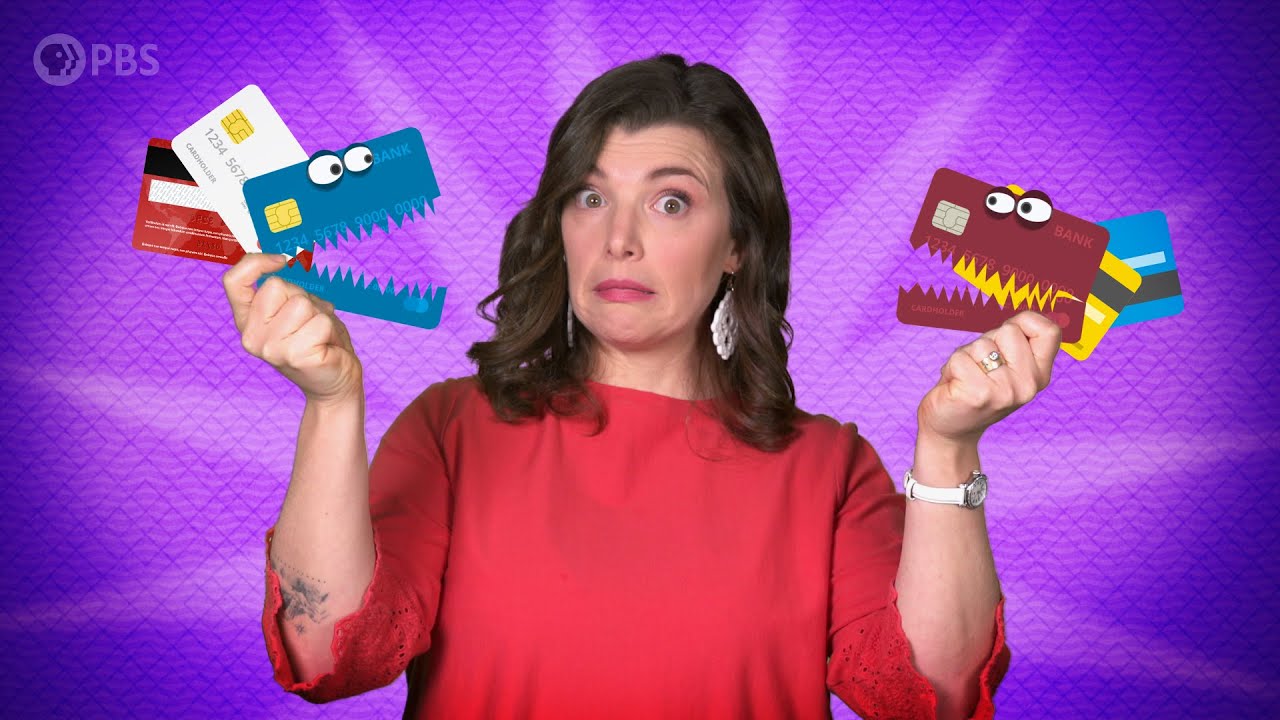
– Multiple credit cards, high balances, high interest rates, high stress levels. You've been making payments
over a long period of time, but it doesn't seem to have
put a dent in your debt. Perhaps, you're even
considering the dreaded B word. But, before you go that far, you may be considering something
called debt consolidation. – What is debt consolidation? It's simply taking two or more accounts and
combining them into one. And, that's where you'd
make your payments. – Well, that sounds good. Simplifying makes things easier right? Not always – Consolidating your debt
may mean less paperwork, but that doesn't mean it's
the best path out the woods. – There are several different
ways to combine your balances and you should understand
the good and bad of each before you decide what's right for you. (lively music) – One way to consolidate debt is to simply transfer the
balance from one credit card to another.
Credit card companies are
often happy to do this since it means you'll
get in deeper with them. Many will offer a variety of promotions, 0% APR over the course of
anywhere between 12 to 18 months. Some will offer an
extended promotion date, but at a slightly higher interest rate. Transfer fees are common. So, be sure to factor that in. – This sounds like a pretty simple way to get some immediate relief, but beware of the fine print. Most of these deals
involve deferred interest which means that you're
still accruing interest on your balance during the
whole promotional period. When the promotion expires, you are charged all of
that accumulated interest despite the number of
payments you've made. Yikes. – Another way to consolidate debt is through a personal loan. You get a loan from a bank, use it to pay off all your credit cards, and then make payments to the bank.
Sounds simple. Again, there are some hitches. – First of all, your credit has to be in a favorable condition
to actually get approved. If you've been struggling to make payments on multiple cards, which you probably are if you're considering consolidation, then it'll be pretty hard to get a loan. And, even if you do, the
terms probably won't be great. This route only makes sense if you can get a lower APR on the loan than you have on the cards. – Also, this method can
be very risky for someone who has trouble restraining
their urge to spend. Suddenly having several
wide open credit cards may be too much temptation.
There are many cases where consumers have taken out a loan to pay
off all their credit card debt just to turn around and run
the cards right back up. – The third option is to
seek the help of a company that specializes in debt settlement. It may sound attractive
to let someone else handle all the messy details, but you should definitely
know how it works. – First, they ask you to
stop paying all your debts and instead start making payments into a special savings account.
Once there's enough there,
they take that money and negotiate a payoff with
each of your creditors, typically much lower than
the full amount you owe them. So, what are the downsides? – First, their fee, which can be as high as 25% of your total debt. Second, since you're effectively
defaulting on your loans, your credit score will get hammered. And, third, they may
not even be successful. If they can't reach an agreement with one or more of your creditors, you'll still be on the
hook for the full amount with all the fees and
damage to your credit. – Maybe, none of these sound
like great options to you.
Well, there's good news. Many people actually have greater success by not consolidating their debt. It may sound nice to
simplify your payments, but the psychological effect
of having one giant loan can be very intimidating. At a time when you need
discipline and optimism, you feel discouraged and hopeless. – By keeping debts separate and focusing on one at a time, you can get a feeling of
accomplishment and pride with each closed account, which can go a long way
to keeping you motivated.
It's all about knowing what
works best for your personality. – If you decide to keep
your debts separate, you can negotiate directly
with your creditors for some leniency, often called hardship programs. These policies were
developed to assist consumers that are struggling with
making on time payments. If qualified, the creditors
will lower your monthly payment and interest rate, no defaulted accounts, no wasted money paying a company to do what you can do yourself.
But, there are some hurdles. – You may have to prove that you are actually facing a hardship. Shop-aholism doesn't count. Think family emergencies,
job losses, pay cuts, or medical illness, and you may need
documentation to prove it. Once in the program, the lender will either close
or freeze your account. They may also lower your credit limit. If this results in a high
utilization percentage, the proportion between what you owe and the total you can borrow, you are likely to see a
decrease in your scores. – In the end, there's no one right way to handle debt. The important thing is that you know what you're getting into and that you know yourself – Your personal strengths and weaknesses will determine how well
each option would work.
So, you need to take an
honest look at yourself before making a decision. – [All] And, that's our two cents. – [Female Narrator] Thanks to our patrons for keeping Two Cents financially healthy. Click the link in the description to become a Two Cents patron. – If you want more strategies
for dealing with debt check out our video, What's the Fastest Way to Pay Off Debt? (lively music).