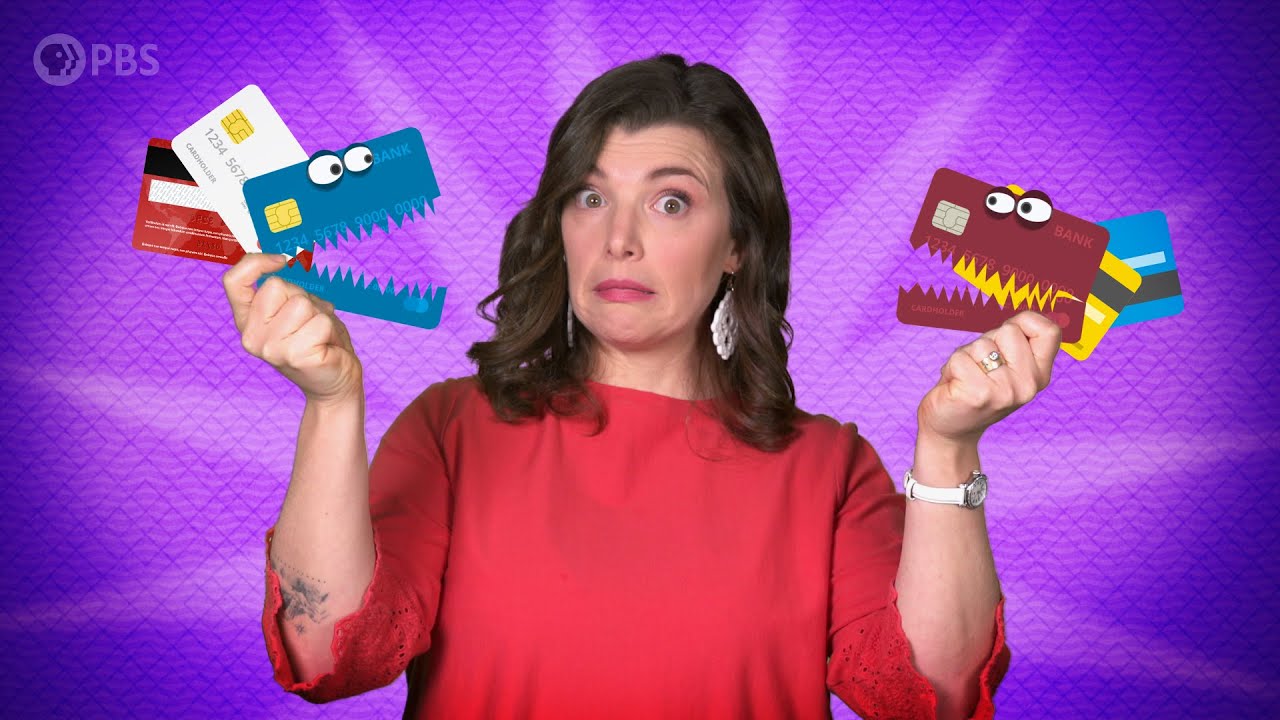
Should You Consolidate Your Debt?

– Multiple credit cards, high balances, high interest rates, high stress levels. You've been making payments
over a long period of time, but it doesn't seem to have
put a dent in your debt. Perhaps, you're even
considering the dreaded B word. But, before you go that far, you may be considering something
called debt consolidation. – What is debt consolidation? It's simply taking two or more accounts and
combining them into one. And, that's where you'd
make your payments. – Well, that sounds good. Simplifying makes things easier right? Not always – Consolidating your debt
may mean less paperwork, but that doesn't mean it's
the best path out the woods. – There are several different
ways to combine your balances and you should understand
the good and bad of each before you decide what's right for you. (lively music) – One way to consolidate debt is to simply transfer the
balance from one credit card to another.

Credit card companies are
often happy to do this since it means you'll
get in deeper with them. Many will offer a variety of promotions, 0% APR over the course of
anywhere between 12 to 18 months. Some will offer an
extended promotion date, but at a slightly higher interest rate. Transfer fees are common. So, be sure to factor that in. – This sounds like a pretty simple way to get some immediate relief, but beware of the fine print. Most of these deals
involve deferred interest which means that you're
still accruing interest on your balance during the
whole promotional period. When the promotion expires, you are charged all of
that accumulated interest despite the number of
payments you've made. Yikes. – Another way to consolidate debt is through a personal loan. You get a loan from a bank, use it to pay off all your credit cards, and then make payments to the bank.

Sounds simple. Again, there are some hitches. – First of all, your credit has to be in a favorable condition
to actually get approved. If you've been struggling to make payments on multiple cards, which you probably are if you're considering consolidation, then it'll be pretty hard to get a loan. And, even if you do, the
terms probably won't be great. This route only makes sense if you can get a lower APR on the loan than you have on the cards. – Also, this method can
be very risky for someone who has trouble restraining
their urge to spend. Suddenly having several
wide open credit cards may be too much temptation.

There are many cases where consumers have taken out a loan to pay
off all their credit card debt just to turn around and run
the cards right back up. – The third option is to
seek the help of a company that specializes in debt settlement. It may sound attractive
to let someone else handle all the messy details, but you should definitely
know how it works. – First, they ask you to
stop paying all your debts and instead start making payments into a special savings account.

Once there's enough there,
they take that money and negotiate a payoff with
each of your creditors, typically much lower than
the full amount you owe them. So, what are the downsides? – First, their fee, which can be as high as 25% of your total debt. Second, since you're effectively
defaulting on your loans, your credit score will get hammered. And, third, they may
not even be successful. If they can't reach an agreement with one or more of your creditors, you'll still be on the
hook for the full amount with all the fees and
damage to your credit. – Maybe, none of these sound
like great options to you.

Well, there's good news. Many people actually have greater success by not consolidating their debt. It may sound nice to
simplify your payments, but the psychological effect
of having one giant loan can be very intimidating. At a time when you need
discipline and optimism, you feel discouraged and hopeless. – By keeping debts separate and focusing on one at a time, you can get a feeling of
accomplishment and pride with each closed account, which can go a long way
to keeping you motivated.

It's all about knowing what
works best for your personality. – If you decide to keep
your debts separate, you can negotiate directly
with your creditors for some leniency, often called hardship programs. These policies were
developed to assist consumers that are struggling with
making on time payments. If qualified, the creditors
will lower your monthly payment and interest rate, no defaulted accounts, no wasted money paying a company to do what you can do yourself.

But, there are some hurdles. – You may have to prove that you are actually facing a hardship. Shop-aholism doesn't count. Think family emergencies,
job losses, pay cuts, or medical illness, and you may need
documentation to prove it. Once in the program, the lender will either close
or freeze your account. They may also lower your credit limit. If this results in a high
utilization percentage, the proportion between what you owe and the total you can borrow, you are likely to see a
decrease in your scores. – In the end, there's no one right way to handle debt. The important thing is that you know what you're getting into and that you know yourself – Your personal strengths and weaknesses will determine how well
each option would work.

So, you need to take an
honest look at yourself before making a decision. – [All] And, that's our two cents. – [Female Narrator] Thanks to our patrons for keeping Two Cents financially healthy. Click the link in the description to become a Two Cents patron. – If you want more strategies
for dealing with debt check out our video, What's the Fastest Way to Pay Off Debt? (lively music).


As found on YouTube

Should You Combine Finances?

It’s a big day! You just moved in with your boo and you’re
totally rocking this living-together thing. But then comes the first rent bill and you’re
stuck wondering…how do we handle this? If you asked your grandparents how they handled
finances back in their day, you might be met with some weird looks. After all, when they moved in together, they
were most likely already hitched and it was just assumed that they’d immediately combine
every aspect of their separate lives. The house, the Studebaker, Aunt Mildred’s
antique tea set…everything became family property. Including the bank accounts. In 1960, 65% of children grew up in a household
where the mother was a homemaker and the father was the breadwinner. Today, only 22% of children grow up that way. From a dramatic rise in women being the breadwinners
to falling marriage rates the relational and economic landscape has changed dramatically.

These days, 25% of parents living with a child
are unmarried and 35% of unmarried parents are cohabitating. So the question is: should you consolidate
finances, and continue a time-honored tradition? Or is maintaining financial autonomy more
important? When we asked you on Twitter, 79% of you said
you combine all or some of your finances with your partner. And this tracks with national trends. But this is changing. Millenials that live together are now more
likely to keep separate finances than any previous generation. And it turns out there are some pretty compelling
advantages to keeping your finances separate as a couple. Americans with student loan debt carry an
average of over $32,000. And the typical American is floating over
$6,000 in credit card debts. With numbers like these, it’s easy to understand
why one partner might feel guilty burdening the other with something that was “their
problem”. Or perhaps you’ve been in or witnessed a
financially abusive relationship in the past. Separate accounts can help protect you if
serious problems arise. If you’ve ever known somebody that suffered
from a gambling or substance addiction, you know first hand the financial devastation
that can follow.

But let’s be real – the main reason people
keep separate finances is to maintain their independence! In modern society, it’s completely normal
to enter your 30’s without ever sharing your finances with anyone else. As your lives begin to merge, it’s understandable to feel protective about your autonomy. You’ve never had somebody telling you what
you can and can’t buy before. Why start now? And if you don’t have to talk about it,
you don’t have to fight about it, right? As attractive as it might be go “Lone Wolf”,
there are some good reasons the majority of couples still combine finances. So let’s look at what the “Shared Approach”
has going for it. When money is shared, you can work efficiently
toward big goals like debt reduction.

Buying a home is easier when you have both
of your incomes and credit histories available to work with. And if you plan on spending retirement together,
pooling resources makes a lot of sense. Think about it: is one of you gonna spend
your golden years in a nice condo and the other in the tool shed? Probably not. Shared finances can also protect you against
unexpected pitfalls, like an injury or layoff. And if you enter a tight season by choice–
such as taking time off to start a family or navigate a career transition – anyone will
tell you what a game changer it is for somebody to back you up financially. Shared cooperation and transparency can also
result in a healthier, longer-lasting relationship. A 2018 study found that 20% of relationships
that don’t share finances end because of money problems…compared to only 4% of relationships
that do. And a series of five university studies found
that couples who pool all their money are happier in their relationships and less likely
to break up.

And don’t AT us with the correlation/causation
argument. The researchers specifically noted that this
wasn’t merely a correlation but that the “results demonstrate that method of account
management can.. influence relationship quality.” So it’s pretty clear that how you handle
money actually affects your relationship. There are also hybrid versions of the two. Like the “Proportional Earnings Approach”
where each partner contributes the same percentage of their income into a joint account. Or “Bill Parsing”, where each person picks
certain bills and expenses to pay for, then use Splitwise or Venmo to split large items
like rent. Back to the big question: which is more
important? The teamwork or autonomy? We here at Two Cents believe you can have
BOTH if you work at it! For example, we got hitched young, while still
in college.

Truthfully, there wasn’t much to pool, so
we went the traditional path by default. But over the years, conflicts arose because
neither of us had much spending independence. We hear this from couples all the time, and
it can really start to build resentment over the years. So our solution was to “have it both ways”:
we combined our finances, but we created individual, equally-funded envelopes of “fun-money”
to spend or save however we saw fit. So I get guilt-free thrift store runs. And I don’t need permission to trick out
my mountain bike. Boom! Each relationship is unique and there is ultimately
no “one size fits all”. But if you have decided to share a future
together and have healthy levels of trust we encourage you to use your finances as a
way to work better as partners, while still protecting individual freedom and independence. And that’s our Two Cents! Thanks to our patrons for keeping Two Cents financially healthy. Click the link in the description to become a Two Cents patron! Do you share finances? Why or why not? Share it with us in the comments..

As found on YouTube