The Problem With 0% Interest Debt On Balance Transfer Cards

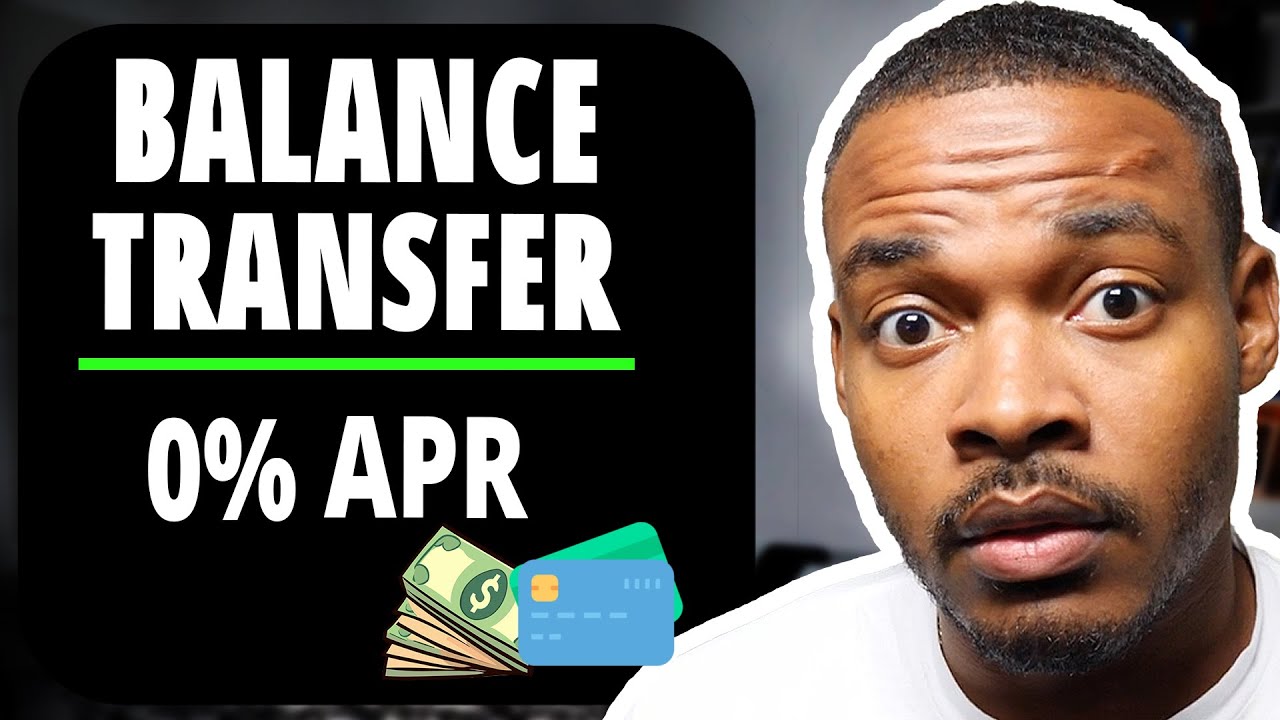
so let's say for example you have right now a $5,000 credit card okay that's the balance on this card you're paying 25% interest annually and that's about a $100 minimum payment every single month you're actually responsible for paying now all of a sudden by Magic you actually get an offer in the mail from a balance transfer credit card and you're like yo it must have been my luck it's not luck it's marketing your information has been sold thus the company knows about it and thus now they're sending you offers Direct offers to you now the offer says this we're going to give you 21 months to transfer your debt over to us and you get to pay it off in 21 months and we won't charge you any interest whatsoever for those first 21 months and you might say well this sounds like a great deal over here I'm paying for example a 100 bucks per month in interest but over here I'm going to be paying Z in interest for the first 21 months this saves me a bunch of money and the only catch is you have to pay a 3% fee for the entire balance transfer now that's not a big deal because right now you're paying $100 as a minimum payment and when you take 3% of 5,000 that's only about $150 or so so it's really not a big deal so why is this attractive what is the problem with it and what exactly is a balance transfer credit card I'm going to go into all the details in this video now do me a favor guys and ask you smash the like button I appreciate it a ton now the first thing is this guys okay a balance transfer credit card I'm not going to complicated it's basically just a credit card that is designed to actually get people that are in debt in some way to transfer their debt over to this credit card and potentially that company be the one that's actually going to get all that interest from you going further it's kind of like a long-term investment okay they're actually betting that you're not going to to pay it off in that introductory period and the TR going to keep the balance and you're going to continue to pay them and pay them and pay them and yes it could actually turn against them if you actually pay but for the most part they get 3% outright and if you don't pay them well you might become a customer for something else you might get another credit card with them or another product or a loan or a mortgage whatever it is okay they have a customer a prospect to get other things that is what a balance transfer is actually good for it now what is the problem here Tommy I still don't understand okay they're giving me an offer if I'm smart and I take advantage of it I walk away without paying any interest isn't that great well the answer is this okay you might think that you're actually going to walk away dilly dally free okay but what happens is usually this what's actually going on when you actually open up a Balan transfer credit card whether it's an offer whether you've been pre-approve approval whatever you just basically you basically just opened up another line of credit that is what's actually going on so let's say for example you have credit card a you owe $5,000 a year and now you actually get pre-approved for a balance for a credit card and then you basically apply and then say hey we're actually going to give you a balance of or a credit line of $7,000 and you say well that's awesome that's more than I had over here so now you say I want to transfer the balance from credit CR card a over to credit card B your new card the balance transer card and by the way it doesn't have to be a credit card it could also be for example Hospital loans it could be any debt overall even Collections and they could actually just basically pay that off by sending them a check and basically now you're in here and the debt is over here that's the whole idea okay so what happens is this okay you say I want to transfer balance from this card over to here they say okay just pay us a 3% fee you pay the 3% fee that's $150 they sent over a check to your credit card okay now that's fully paid off the balance on credit card a is basically zero the balance on your new balance crit card is basically um $5,000 or whatever the balance here basically was that's the idea now what actually happened here okay you went from having a credit line of $5,000 to having a credit line of basically $122,000 remember so if you got in value so far I'm going to ask for a favor subscribe to the channel because only like 20% of the people that watch or actually subscrib so go ahead and subscribe right now cuz I have a lot more content and having a credit line of basically $112,000 remember they actually gave you $7,000 and you have 21 months to pay that off okay without any interest and you might think this is awesome okay what I'm going to do is basically pay this off and never look back but what usually happens is this and I'm sad to say this okay but what usually happens is this okay you have credit card a now which is basically empty and you have credit card B all right and what happens is basically you say well this one is free you start using it again okay and before you know it this goes right back up to 5,000 or 3,000 or 4,000 and this one you're barely making any real payments or any Dent to it remember they gave you 5,000 the balance transfer credit card is still a credit card you can still use it to buy stuff and it still gave you $2,000 extra dollars and you actually need it so now you might use that for some things else okay and before you know it the 21 months have gone by and now you owe over $110,000 overall you owe credit card a you also go owe credit card B credit card B is saying yep we got them now we're actually collecting interest payments every single month from you and credit card a is saying well he paid it off but now he's back to pay now so I guess we win also so what is the right way to go about this and Tommy how have you ever done this the answer is I owed about wait for it $133,000 in credit card debt and I actually used balance transfer credit cards to actually help me clear all the debt now I was not one of the people that actually went ahead and basically clear credit card a transfer to credit card B and then build up a balance back in credit card a what I did was this I follow this three step system okay the first step is you want to set for yourself some really real istic goals based on how long they're actually going to give you interest free so overall let's say I actually owe $5,000 right that's how much I actually owe I'm going to divide this number by how many months you're actually going to give me so divided by 21 in this in this case by the way what credit card am I actually talking about I'm actually talking about the city Simplicity balance transfer credit card that offer 21 months to pay interest free 0% APR and even 12 12 months to actually buy things and not get charged any interest obviously they're doing this for a reason you transfer the balance over you get 21 months to pay it off but you also get 12 months to buy other crap and actually build up even a bigger balance don't be stupid don't fall for that okay so now I know that per month I need to pay about $240 to be debt free in21 months okay that's the idea and that's how I would actually do it now for me personally I would say well if if this is actually very doable I would stick to it if it's actually a little bit less than I can basically do I would actually lower it and basically even if I end with the balance okay at least I was actually realistic okay now for me personally I actually paid more towards it to be able to pay it off a lot faster I actually paid off $133,000 in credit card debt in 12 months okay because I actually fell for that trap where discover sent me a credit card and they were like Hey we're going to give you I think 18 months of purchase free interest and I went crazy okay I went crazy and what happened is I maxed out everything then it was like um I think it was 18 months right so I spent like 6 months doing some crazy stuff and then I had 12 months and I was like yo I need to pay all this in 12 months and I basically was able to cover everything in 12 months I think at a point I to transfer balance over to the balance transer card but I was actually able to do it which actually saved me a ton of money but it was only because I was smart so step number two is basically once you transfer the balance well close credit card a all right close it because you don't want to be at risk at rebuilding this actual um credit line and to actually get into double the debt you actually want to clear that and then lastly all right the balance CH credit card don't use it to get into more debt only use it to actually pay off the debt fast and be done with it and once you're done with all the debt my advice would be a 100% just close to to credit cards overall and don't get back into those problems okay ever since I became debt free and I don't have any credit cards I have no method no way of getting into debt anymore so it's not something I worry about but as long as you have that possibility that availability to watch you say I'm going to use this credit card for this or that for this emergency or that emergency you're always going to be going back into debt and going right back into where you landed I think the Bible says a dog is always going to return to his vomit and that's just disgusting okay so if debt is actually getting you into trouble over and over again and you're going back to it well that's just stupid and nonsense okay you actually want to avoid that so yes okay understand what they're trying to do they're trying to get you to bring your balance over to hopefully spend more money to be trapped with them and to pay them a bunch of interest but if you're smart what you're actually going to do is say I'm going to use you and I'm going to take advantage fully I'm going to close credit card a and once I'm done with you I'm also going to close you and I'm going to be done with it so set for yourself achievable goals so you're actually able to do this as fast as possible guys thanks for watching as always like subscribe hit the Bell sh notified there are obviously other balance of credit cards out there so if you know a few of them comment them down below if you want a full video on the offers out there let me know and I'll actually get to work up here is another video and this video is actually made possible by the supporters over at patreon here is a list of their names I appreciate it a ton if you actually want to join us on patreon support the channel the link is going to be down below thanks for watching as always like subscribe hit the Bell so you get notified peace

As found on YouTube

How to pay off your debt UK

Hello and welcome to Finder's financial self-help series where we swap scented candles for sage money tips and advice. Check it out. Most of us have been raised to think that debt is 
a dirty word, when in reality, unless you’re one of the lucky few, debt is just another part of 
life. In this video, I’ll talk you through some of the most common types of debt and some tried 
and tested ways to get it under control. Debt is money you owe usually to a bank, credit 
card provider or some other type of lender.   You get in debt when you borrow money or buy 
something using credit. There are interest-free   credit deals around, but typically, when you 
borrow money you’ll be charged interest so make   sure you factor that into any repayments.
Some of the most common forms of debt   include mortgage debt, credit card debt, 
personal loan debt and business debt.
  A mortgage could see you borrowing hundreds of 
thousands of pounds , so this will likely be the   biggest debt you’ll have to deal with throughout 
your life. Because the debt is so large,   your interest charges will add up to a pretty 
significant amount over your life.

And because   mortgage debt is typically paid off over many 
years, financial discipline is essential.
  Whether it’s buying a car or paying for a 
wedding, a personal loan can be used for just   about anything. Where a loan is secured against an 
asset, like the car you purchased with the loan,   you could risk it being repossessed by the lender 
if you don’t keep up your payments. Short-term,   payday loans charge extremely high interest 
rates and should only be considered as a   last resort if you have no alternatives.
A form of lending that’s boomed across the UK   in recent years are buy now, pay later schemes. 
Depending on the provider, these services allow   you to choose from a variety of plans to repay 
your shopping balance over a longer period   of time or in smaller instalments.

Be aware 
that some plans charge interest and late or   missed payments could impact your credit 
score, so make sure you carefully consider   the right plan and service for you.
If you’re running a business, buying stock,   expanding into new markets or 
hiring a bunch of new people,   often involves borrowing money. So when it comes 
to business loans, business credit cards or   other overheads, sometimes the old adage holds 
true: you gotta spend money to make money.
  To help you get on top of your debt, we’ve set 
out actions you can take and sources for help,   for three levels, from minor 
through to serious problems.
  The first tier is for people who find 
themselves in a small amount of debt   but who want to take some smart, responsible 
changes today to better manage their payments   and get on top of interest charges.
One approach could be to consolidate or transfer   your balance onto a balance transfer card with 
a low or 0% interest rate for an introductory   period, like 6, 12 or even 20 months.

A one-off 
balance transfer fee usually applies and,   be aware, that once the introductory period 
is over, the interest will revert to a higher   rate – so, try and use the low or 0% interest 
window as a deadline to pay your balance off.
  If you’re struggling to manage one or multiple 
credit card debts, try adjusting your payment   plan. Focus on paying one card off at a time, 
try and pay more than the minimum each month,   pay off your balance in weekly instalments 
and prioritise your credit card repayments   as soon as you get paid.
If you’re paying interest on multiple debts   and you’re struggling to make repayments, you 
could consider consolidating your debts – perhaps   with a debt consolidation loan or even by 
remortgaging.

This way you could end up with   just one monthly repayment and potentially lower 
interest rates. Just be aware that consolidating   short-term debt into, say a 30-year mortgage 
might be cheaper and more manageable for you   month-to-month initially, but would likely 
work out a lot more expensive overall.
  If you think any of these options 
are the right move for you,   make sure you compare a range of loans and lenders 
and only borrow from a reputable lender.
  If your debt is starting to feel unmanageable 
and the above solutions won’t do the trick,   it could be time to speak to a debt advisor 
to work out a debt management plan.
  You can get free help from the charity StepChange. 
You could also consider using a debt management   service – but this will come with a fee.

You’ll 
make monthly payments to your debt management   service, which then distributes your funds between 
your creditors, effectively consolidating your   loan. With a debt management plan it may also be 
possible to suspend interest on your debt.
  Before you choose a paid-for debt management 
plan, it’s sensible to contact your lender   directly and explain your circumstances. 
Ultimately, they want to get their money back,   so they might be able to freeze a few payments 
or work out a plan with you individually.
  Tier 3 are your insolvency options. This 
is your last port of call for when your   debts have truly got on top of you and none 
of the other solutions are available.
  These options include individual voluntary 
arrangements for larger debts typically over   £10,000-£15,000, where you pay an insolvency 
practitioner who then distributes the funds   between your creditors. Administration 
orders for debts less than £5,000,   where your local court will act 
as the insolvency practitioner.   Debt relief orders, which are an alternative 
to bankruptcy. And bankruptcy itself,   which is a court order that declares you 
legally unable to repay your debts.
  Due to a difference in legislation, these 
insolvency options are only available in England,   Wales and Northern Ireland.

In Scotland, 
instead of an IVA you have a Trust Deed,   a minimal assets process is similar to a 
debt relief order and a sequestration is   the Scottish version of bankruptcy.
In some cases, any interest or charges   on your debt will be frozen during your 
arrangement or your debts will be cleared.   These insolvency solutions are absolutely a 
last resort, though, as they can have long term   implications for your future borrowing power 
and will seriously affect your credit score.
  For more information on managing your debts 
effectively head to finder.com.

Links are in   the description below. If you enjoyed this 
video give us a like or subscribe to our   channel. Or stay tuned for our next video 
coming up. As always, thanks for watching..

As found on YouTube

The Problem With 0% Interest Debt On Balance Transfer Cards

so let's say for example you have right now a $5,000 credit card okay that's the balance on this card you're paying 25% interest annually and that's about a $100 minimum payment every single month you're actually responsible for paying now all of a sudden by Magic you actually get an offer in the mail from a balance transfer credit card and you're like yo it must have been my luck it's not luck it's marketing your information has been sold thus the company knows about it and thus now they're sending you offers Direct offers to you now the offer says this we're going to give you 21 months to transfer your debt over to us and you get to pay it off in 21 months and we won't charge you any interest whatsoever for those first 21 months and you might say well this sounds like a great deal over here I'm paying for example a 100 bucks per month in interest but over here I'm going to be paying Z in interest for the first 21 months this saves me a bunch of money and the only catch is you have to pay a 3% fee for the entire balance transfer now that's not a big deal because right now you're paying $100 as a minimum payment and when you take 3% of 5,000 that's only about $150 or so so it's really not a big deal so why is this attractive what is the problem with it and what exactly is a balance transfer credit card I'm going to go into all the details in this video now do me a favor guys and ask you smash the like button I appreciate it a ton now the first thing is this guys okay a balance transfer credit card I'm not going to complicated it's basically just a credit card that is designed to actually get people that are in debt in some way to transfer their debt over to this credit card and potentially that company be the one that's actually going to get all that interest from you going further it's kind of like a long-term investment okay they're actually betting that you're not going to to pay it off in that introductory period and the TR going to keep the balance and you're going to continue to pay them and pay them and pay them and yes it could actually turn against them if you actually pay but for the most part they get 3% outright and if you don't pay them well you might become a customer for something else you might get another credit card with them or another product or a loan or a mortgage whatever it is okay they have a customer a prospect to get other things that is what a balance transfer is actually good for it now what is the problem here Tommy I still don't understand okay they're giving me an offer if I'm smart and I take advantage of it I walk away without paying any interest isn't that great well the answer is this okay you might think that you're actually going to walk away dilly dally free okay but what happens is usually this what's actually going on when you actually open up a Balan transfer credit card whether it's an offer whether you've been pre-approve approval whatever you just basically you basically just opened up another line of credit that is what's actually going on so let's say for example you have credit card a you owe $5,000 a year and now you actually get pre-approved for a balance for a credit card and then you basically apply and then say hey we're actually going to give you a balance of or a credit line of $7,000 and you say well that's awesome that's more than I had over here so now you say I want to transfer the balance from credit CR card a over to credit card B your new card the balance transer card and by the way it doesn't have to be a credit card it could also be for example Hospital loans it could be any debt overall even Collections and they could actually just basically pay that off by sending them a check and basically now you're in here and the debt is over here that's the whole idea okay so what happens is this okay you say I want to transfer balance from this card over to here they say okay just pay us a 3% fee you pay the 3% fee that's $150 they sent over a check to your credit card okay now that's fully paid off the balance on credit card a is basically zero the balance on your new balance crit card is basically um $5,000 or whatever the balance here basically was that's the idea now what actually happened here okay you went from having a credit line of $5,000 to having a credit line of basically $122,000 remember so if you got in value so far I'm going to ask for a favor subscribe to the channel because only like 20% of the people that watch or actually subscrib so go ahead and subscribe right now cuz I have a lot more content and having a credit line of basically $112,000 remember they actually gave you $7,000 and you have 21 months to pay that off okay without any interest and you might think this is awesome okay what I'm going to do is basically pay this off and never look back but what usually happens is this and I'm sad to say this okay but what usually happens is this okay you have credit card a now which is basically empty and you have credit card B all right and what happens is basically you say well this one is free you start using it again okay and before you know it this goes right back up to 5,000 or 3,000 or 4,000 and this one you're barely making any real payments or any Dent to it remember they gave you 5,000 the balance transfer credit card is still a credit card you can still use it to buy stuff and it still gave you $2,000 extra dollars and you actually need it so now you might use that for some things else okay and before you know it the 21 months have gone by and now you owe over $110,000 overall you owe credit card a you also go owe credit card B credit card B is saying yep we got them now we're actually collecting interest payments every single month from you and credit card a is saying well he paid it off but now he's back to pay now so I guess we win also so what is the right way to go about this and Tommy how have you ever done this the answer is I owed about wait for it $133,000 in credit card debt and I actually used balance transfer credit cards to actually help me clear all the debt now I was not one of the people that actually went ahead and basically clear credit card a transfer to credit card B and then build up a balance back in credit card a what I did was this I follow this three step system okay the first step is you want to set for yourself some really real istic goals based on how long they're actually going to give you interest free so overall let's say I actually owe $5,000 right that's how much I actually owe I'm going to divide this number by how many months you're actually going to give me so divided by 21 in this in this case by the way what credit card am I actually talking about I'm actually talking about the city Simplicity balance transfer credit card that offer 21 months to pay interest free 0% APR and even 12 12 months to actually buy things and not get charged any interest obviously they're doing this for a reason you transfer the balance over you get 21 months to pay it off but you also get 12 months to buy other crap and actually build up even a bigger balance don't be stupid don't fall for that okay so now I know that per month I need to pay about $240 to be debt free in21 months okay that's the idea and that's how I would actually do it now for me personally I would say well if if this is actually very doable I would stick to it if it's actually a little bit less than I can basically do I would actually lower it and basically even if I end with the balance okay at least I was actually realistic okay now for me personally I actually paid more towards it to be able to pay it off a lot faster I actually paid off $133,000 in credit card debt in 12 months okay because I actually fell for that trap where discover sent me a credit card and they were like Hey we're going to give you I think 18 months of purchase free interest and I went crazy okay I went crazy and what happened is I maxed out everything then it was like um I think it was 18 months right so I spent like 6 months doing some crazy stuff and then I had 12 months and I was like yo I need to pay all this in 12 months and I basically was able to cover everything in 12 months I think at a point I to transfer balance over to the balance transer card but I was actually able to do it which actually saved me a ton of money but it was only because I was smart so step number two is basically once you transfer the balance well close credit card a all right close it because you don't want to be at risk at rebuilding this actual um credit line and to actually get into double the debt you actually want to clear that and then lastly all right the balance CH credit card don't use it to get into more debt only use it to actually pay off the debt fast and be done with it and once you're done with all the debt my advice would be a 100% just close to to credit cards overall and don't get back into those problems okay ever since I became debt free and I don't have any credit cards I have no method no way of getting into debt anymore so it's not something I worry about but as long as you have that possibility that availability to watch you say I'm going to use this credit card for this or that for this emergency or that emergency you're always going to be going back into debt and going right back into where you landed I think the Bible says a dog is always going to return to his vomit and that's just disgusting okay so if debt is actually getting you into trouble over and over again and you're going back to it well that's just stupid and nonsense okay you actually want to avoid that so yes okay understand what they're trying to do they're trying to get you to bring your balance over to hopefully spend more money to be trapped with them and to pay them a bunch of interest but if you're smart what you're actually going to do is say I'm going to use you and I'm going to take advantage fully I'm going to close credit card a and once I'm done with you I'm also going to close you and I'm going to be done with it so set for yourself achievable goals so you're actually able to do this as fast as possible guys thanks for watching as always like subscribe hit the Bell sh notified there are obviously other balance of credit cards out there so if you know a few of them comment them down below if you want a full video on the offers out there let me know and I'll actually get to work up here is another video and this video is actually made possible by the supporters over at patreon here is a list of their names I appreciate it a ton if you actually want to join us on patreon support the channel the link is going to be down below thanks for watching as always like subscribe hit the Bell so you get notified peace

As found on YouTube

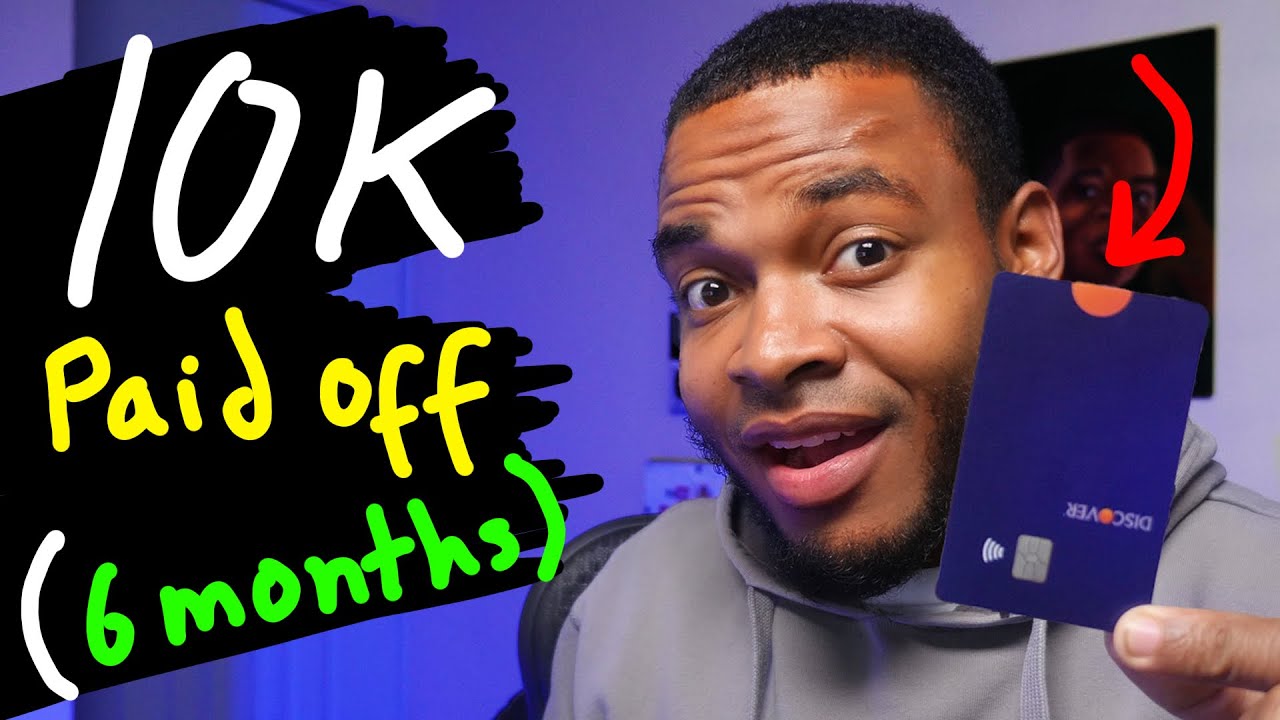
How To Pay Off 10k In Credit Card Debt | In 12 Months

So paying off debt, it's
gonna sound stupid, give me a chance. Paying off debt is
not just about having some money and sending it
over to pay off debt, right? It kind of sounds
like that is what it is, but paying off debt is
also about staying out of debt. Having a system so
when you pay things off, you pay them off
efficiently because a lot of folks, they pay something
off, they go back into debt. They start paying things off and then
they'll be like, "Hey, it's not going down.

I'm not understanding it. I pay this, this, this, this, but the balance every month
is going up and up and up." And it doesn't make sense, okay? So in this video, I'll
teach you how I was able to pay off $13,000 in credit
card debt in about 12 months, okay? And not just that, I
paid off a total amount in my debt-paying career
of about $70,000, all right? So in this video, you
know exactly all the techniques I used to be able to pay
that off as fast as possible. And if you guys don't
know me, my name is Tommy Bryson. If you know me,
welcome back to the channel.

Now, as always, do me a
favor and also smash the like button. Now, the very first
thing, guys, is going to be this. If you want to pay off
debt, it's not just about grabbing the extra money you have left
over and putting it towards debts. No, it's about budgeting and finding
all the money possible to pay the debt off. And here's what I mean, you know? A lot of folks, they
live paycheck to paycheck.

I get paid $3,000, I spend $3,000. Next month, I
can't wait for that paycheck. And if I can find $100 or
$200, I'll send that over to my debt payments, but that's
why you never actually finish. So what you actually want
to do is you want to get a budget. The budget is
going to help you find money to actually pay the debt off even faster. Here's what you want to do. You want to open up or
start up right now a baseline budget. It's my little budget
that I actually made up and it's very functional
and it makes a lot of sense. Okay. You want to have
basically, write this down. You want to have an account for
your shelter costs, utilities, groceries, transportation, healthcare, and also fun. Those are usually going
to be the six most important expenses and the ones
you can't really negotiate on. But it's not just that, okay? Because that would just
basically liberate you from saying, and justify, because I spend
so much money on rent or whatever.

No. You want to limit your shelter
expense to 33% of your monthly income. On top of that,
utilities, only gas, water, electricity, internet
bill, and also your phone bill. Your phone bill should not be more
than 30 bucks per month and your internet bill should not be more
than 80 bucks per month. Okay. That is it. Tell me how. I pay $6 for my phone bill. They exist. I have a video on it. The link is going to be down
below or just search up on YouTube. Tommy Brice and phone
bill, and you will find a video. When it comes to food, no
more than 200 to 250 per person max. How do you do this? You cook at home and you don't
spend money on trash on the streets. Tragitation. If you have a car,
make sure it's paid off. If it's not paid off, well, you
consider selling it because that's important, but you're only paying for
gas, insurance, and maintenance. And some car washes every now and then. Those are going to be your core expenses. Then you also have health insurance. If you have that,
if you don't consider it.

And on top of that, you're
also going to have your fun expense. Okay. Take at least five to 10% of your money every time you get
paid and have fun with it. Tommy, I'm trying to pay off debt. I don't have fun for this. I want it to be exciting every time
you get paid because you look forward to it because you get money
for fun, but you also look forward to it because
you're actually getting debt free. It will be slower. You can cut this out,
but I highly recommend you don't because it actually helps
make the whole journey a lot more bearable.

So basically, if you make 3000, now
you're only spending about $2,000 with this budget and you
have $1,000 left, that's the money you're going
to use to pay off debt. But obviously, I'll
give you the system later. Number two is going to be this guy's. Okay. You actually want to
get extra cash or paying off debts by selling things
you don't need around your home. This is the most fun I had. And it's also the most
embarrassing part of this entire system. Okay. Because so if you got a value
so far, I'm going to ask for a favor. Subscribe to the
channel because only like 20% of the people
that watch our actions scribe. So go ahead and subscribe right now
because I have a lot more content and it's also the most embarrassing
part of this entire system.

Okay. Because for me, my identity
for a long time was what I wore. The sneakers I
had, the clothes I had, and when I wanted to get
debt free, I sold everything. I sold, I had 23 pairs of sneakers. At the end of it, I
kept about like nine to eight pairs and I sold my
consoles, my gaming consoles. I sold basically everything I had and
I use all the extra money to pay off debt. That's how I did it. Okay. So if you can sell the things around
your home and you can keep, for example, 500 or 200 bucks, that's money
you're going to use to pay debt.

And by the way, going back up when I
told you about that baseline budget, whatever is not included in that,
you obviously want to cut it out. If you want to buy,
for example, something that you don't need, use your
fund money to actually do it. I think that's clear, but I
wanted to make it even crystal clear. Now, number three guys is you want to
get extra cash to pay off debt by hustling. Now, the good thing is
I'm only asking you to get a job or hustle with a minimum
pay of at least $15 per hour. Okay. If you can't get
that, then try to find someone else, but I recommend
like at least 15 bucks per hour.

And you might say, Tommy, I
don't have the time, but you do. And here's how you sleep eight hours. You work eight hours. You spend on showering food
and driving about three hours a day. That's a total of about 19 hours a day. You still have a free
five hours every single day. So if you do the math, okay, if
you're able to actually make $15 an hour and you work five extra hours per day, I
don't let you know, like a hustle or whatever. The answer is about like 75 bucks a day. Time is five, only
like five times a week you actually do this because
you rest on Saturdays and Sundays. The answer is going
to be every single month. That's an extra $1,500 to pay off debt. I mean, that is awesome. That is a lot of money to pay that off. You can basically be done with 10K
in a short amount of time, just with this. Okay. $10,000 divided by 1,500. That's going to be like in
six months, you're almost debt free. That's the idea. Now here's the fourth part.

Tommy, okay. I budgeted, I sold things, I'm hustling. How do I pay the debt off? There are two methods. One I did, and I don't recommend. What I did not do, and I do recommend, sounds strange,
sounds crazy, but it's very true. The one I did was
basically the avalanche method. Okay. Avalanche method says this, okay. You want to organize your debt from the highest interest rate
to the lowest interest rate. You want to pay
the minimum balance on all of your debts and
grab all the extra money you actually have and pay the
debt with the highest interest rate.

Tommy, how do I
find out my interest rates? You call the debt people. Okay. Who do you owe money to? Call them and ask
them what is my interest rate? Okay. Why do you do this one, Tommy? Because it saves you the most money mathematically because
you're paying the debt that's costing you the most money. Okay. Why don't you recommend it? Because it can take a long time to see progress because your
highest interest debt could be the one with the highest balance and it can take a long
time to actually pay that off and it can feel like
you're not making progress. That's why I recommend the one I
didn't do, which is basically the snowball method. This method says this, okay. You organize your debt from the
lowest balance to the highest balance, not the interest rate,
doesn't matter, and you pay the minimum on all
the debts and you put all of the extra money towards
the debt with the lowest balance. Okay. That means on your first run, your first month, you can
easily be debt free on one of these accounts.

You can pay something
off and you will build momentum. That's why I recommend it because
you're more likely to keep going as you're seeing progress. Okay. Now it doesn't save you money like
it does, for example, with the Alan's method mathematically, but it does
build momentum and it can get you there. And that's what I'm interested in. Okay. I'm not worrying about you saving money because you'll do
that anyways, but I'm more worried about it. You actually get
into the goal in the end. All right. So that's why I say I
recommend the snowball method. Now in the end, if
you made it all the way to the end of this video, and if you make it all the way to the end of this
entire journey of paying off your debt, the next question is going to be, tell me,
what do I do once I'm actually debt free? Once I paid off $10,000 in 12 months or six months, you
know, you can use this whole formula, this whole strategy to pay off a lot more money, a
lot less money, a lot more time or a lot less time.

It doesn't matter. But what happens when
you actually get to the end goal? The answer is very simple. What I did was this. The first time around,
I kept my credit cards open. I kept some debt that
was actually low interest around. That was a mistake because I eventually went back into some
more credit card debt and I still had debt that I
carried around like a puppy or whatever. Okay. My second time around when I paid off all my debt again,
which was like last year, I paid off about $40,000 in debt. I went ahead and I closed down
every single credit card I actually have. So I only deal right now on a cash
basis or a debit basis, which is also just cash. I don't have any credit cards. Now there is a benefit to this
and there is a disadvantage to this.

Okay. Benefit is you don't have any debt. You can't go into debt because you
don't have any way of getting into debt and you actually have a lot more peace. Um, the, the disadvantage in the
senses that you're no longer making, for example, two to 3% on cash back and all this
other stuff, but in reality, those are just incentives for you
to actually get into debt.

So it's like a little hook you
sent to a fish and you are wishing you actually get hooked on it. Okay. So I don't worry about it. Okay. But for the most part, that's my system. That's how I got debt free. And that's how I was able to pay off
$13,000 in about less than 12 months or so. I think it was like about six months. Okay. Cause I was very crazy. Um, so yeah, there's that guys. Good luck around your journey and
do me a favor before you ask you leave this video, not just
smash the like I do want that. Okay. I do appreciate it, but
it's also comment down below this. Okay guys, what
method are you going to use? Avalanche or snowball? How much money do you ask you? Oh, okay. And how much money were you
able to free up from your budget? How much money do you plan on
making and how much money do you plan on making from selling all
the stuff you don't need? Okay. And once you sum up all those
things together, well, tell me what's your deadline? Okay.

And it's very simple. It means basically if you owe
about $10,000 and you have basically a thousand dollars, basically pay
off your debt, just divided by 10, well, a thousand dollars, basically
it means that, Hey, in about 10 months, you're going to be debt free. That's the idea. Okay. So comment down below. Let me know. It's not just for the algorithm,
although it does help with the algorithm, but it's also because I want you to leave
this video with actions that you actually took and you know
what you're going to do next. Okay. And come back to this video in six months or four months or
two months or one month. We were done with it. And I want to hear some success stories. Okay. That's why I do this for, right? So thanks for
watching as always, like subscribe. Hit the bell straight
notified up here in another video. And thank you for everyone on
Patreon that helps with the channel.

Here you guys are. I appreciate you guys a ton. If you want to join us on
Patreon, the link is going to be down below. Peace..

As found on YouTube

Get OUT of LOAN and DEBT! | Repay Loans quickly 2023! | Ankur Warikoo Hindi

If you are stuck in the web of loans, then through this video, I’ll share seven such ways with which hopefully you could get out of these loans. Friends getting stuck in loans is a very dangerous thing. It has happened to me in my childhood where, not me but my father got stuck in loan. And it took many years to get out of it. I understand the time where credit card collectors stand at your door, you get calls every day asking when will we return the money. This date has come. You need to return this amount. So, it’s a very hard period to deal with. And nowadays it is happening a lot.

Because you get credit cards easily. We have got a ‘Buy now pay later’ radium,– people are not using these in a disciplained manner. If you find yourself or your family stuck in the web of a loan, then this video might help you. Seven such ways through which you may pay your loans slowly with minimal damage. And two bonus items right at the end of the video. Through which you, no matter what, can secure your family and yourself. The first one, if you find yourself in the trap of bad loans, there are a lot of loans there’s a personal loan, there’s a home loan, there’s a car loan, a credit loan, then it is very important that you prioritize your loans. You have to prioritize the loans knowing this is important that which loan is causing you the most damage. Mostly, these turn out to be short-term loans. These turn out to be the ones that don’t have any collateral. These turn out to be the ones that you buy not with an assest but without assets.

What do I mean by that? If you are taking a home loan, then mostly to take a home loan you need to put your home on mortgage, you need to submit the paperwork for home. The loan will be for a long duration, for 10, 15, 20, 25 years, and because of this its interest rate would be very less. Six percent, seven percent, eight percent, but if you take a personal loan, to take the personal loan you didn’t put any mortgage. There’s no collateral. Maybe you have taken that loan for one, two, or three years. You might have taken the loan for something that you wanted to buy, but you weren’t able to buy, so you thought let’s take a personal loan.

Or, worse your credit card, you’ve swiped with the credit card, but you weren’t at a stage return the money in full. So, you started paying in rotation the minimum amount due. And the next thing you know, the amount for your credit card has become so big, because the interest rate for it is thirty-five to forty percent a year. So, it is important that all your loans, first of all put them in a ranking, and try to understand which loan is causing you the most damage. These are the loans with the highest interest amounts, and the shortest duration. Because their quantum is very big, that means, EMI is very big. And if you don’t repay that loan on time, then your interest will keep increasing. That is the first step, and I remember when I was in a time, where there were credit cards, personal loans, home loans, car loans. This was the first step that we took, father, we first have to figure out that which loan we can repay gradually, but, which loan do we need to repay today? And that is the first step.

Number two, any long-term loans, a home loan, or any such loan, which is for five or ten years, or if you’ve taken a loan from a person whom you know, will trust you, he is after his money, but, not at the expense of your peace. So, sit with them and increase the tenure of your loan. And this is a counter-intuitive suggestion because whenever you increase the tenure of your loan, or increase the period to repay the loan, then you’ll end up paying more interest.

And that may seem counter-intuitive, because, now, you are trying to get out of your loan, but what will happen is during that, when you’ll increase the tenure of your loan, your EMI will decrease. And because EMI will become lesser, then hopefully you’ll have some more money that you’ll be able to divert towards the loans which are sucking your blood, that you need to end anyway. So, I remember my dad took a very big business loan. But, thankfully the person who gave him the loan, was his business partner.

He wanted to get his money back, but also he didn’t want that Ashok Warikoo should have to repay the loan at the expense of himself or his family. So, dad spoke to him very patiently and said, I am not at the stage to repay this loan now, so, can we increase the period of loan, so that monthly I’ll pay you a little less than I used to, but I’ll repay it. And they were okay with that. Because for him, the important thing was at the end of it, he’ll earn more money. Because he’ll get more interest. And you should also be in principle okay with doing that. Because of your short-term impact, will be very less as the outflow of money will become less. Number three, when you are able to do it, the extra money that you’ll get, try to raise your EMI with that, or try to make one-time contributions.

You must understand the math of EMI and loans. I’ve made a whole excel sheet for you. And in that excel sheet, I’ll try to show you how can you increase your EMI or by making one-time contributions you can decrease the tenure of your loan and the loan amount significantly. So, this is the excel sheet. You may also download this excel sheet. But, I assumed that you’ve taken a loan of 50 lakh rupees at eight percent for 25 years. The EMI for it is around ₹ 40,000. At the end of these 25 years, you’ll repay 50 lakh rupees anyway, but the interest amount would be 65 lakh rupees. That means in these 25 years, you’ll return your 50 lakh rupees, but to the bank or whoever you’ve taken the money from, on top of this 50 lakh rupees, they’ll get 65 lakh rupees more. And that is a lot of money. But, if you are only doing two things, every year pay just one extra EMI, just one extra EMI, that’s it.

And increase your EMI by 10%, that means the EMI which was ₹38,591 in the first month, make it ₹42,450 the next year, the next year make it ₹46,695. And you’ll pay the original EMI ₹38,591 you’ll pay for it every year. When you do that then your interest which was ₹65 lakh now becomes only 27 lakh rupees. And that’s not all. The loan is for 25 years, not in 25 years you’ll clear it within Only 120 months, within 10 years! That is the power of paying more than the EMI. So, one extra EMI every year, and increasing the EMI by 10% every year, you’ll make the interest of 65 lakh rupees to 27 lakh rupees which means you’ll earn almost 40 lakh rupees. And the loan of 25 years ends within 10 years. You can play around with this sheet. And this will show you the power of paying in excess whether EMI or one-time contribution.

Number four, whatever your loan is, especially, if it’s an expensive loan, then re-finance it. I’ll give a simple example, you got the bill for your credit card, you are paying 40 to 50 percent, yearly. And it is criminal and it is suicidal, if you are still doing that thing. What you can do is let’s assume, your credit card bill is one lakh rupees. And it’s in rotating, you take a personal loan. That personal loan won’t be with a collateral, But, it would be at a maximum of 13% to 15% or 16%. Which is significantly lower than the 35% to 40% that you pay for the credit card. You take the personal loan, and pay the credit card payment in full. Now, you have to only pay the personal loan at a much smaller interest rate.

The same thing, if you have a personal loan, that you’ve taken from a landlord, or a friend, or a contractor at 20%, then try to take the same thing from a bank or someone else at less interest rate. You take the money and return it to the original lenders in one go. And then keep paying the new lenders the amount. A lot of time it happens with the payments of credit card, you’ll get a call that you can transfer the outstanding bills on your credit card to the other one. Very risky by the way, I do not propose it, but, if you don’t have any other choice, then this may still be a better choice to make. Because when you first time transfer it, then they give you a rebate you get an open offer, where the interest in that time period is very less, and you can actually make the most out of it. Net net, whatever is the interest amount of your loan, wherever you find a lesser than that, please take the money from there. and clear the original loan then try to clear this new loan, because that will be lower financial distress on you.

Number five, followed by this, as I have told you in order to pay a loan if you have to pay another loan, then there’s no fault in that. I have done that so many times in my life. I remember, when there was a time nearbuy was going through a difficult time, I didn’t take my salary for months, there were household expenses, kids’ school fee, EMI for home and all. My credit card was maxed out. Everything was just there. And what I then did was I took a loan from a friend. That person has gave an opportunity to pay my credit card bill completely. He only charged me 10% and that was the cheapest loan that I could’ve taken because thankfully, I had a friend who had the money. So, technically, what I did was took a loan from one person, and repaid the other loan from that. Now, I have this loan completely paid off. I need to pay this new loan. But, it was through a friend. He knows that I will repay his loan even if I delay.

But I won’t run away with his money. And most importantly, it was just 10% so it was far lesser in cost, than what was the original loan. Number six, prepare a budget. If I tell you that, you need to quit cigarette or alcohol, and that is something that you really enjoy or you are addicted to it, then it won’t happen just by wanting, you need to work towards it, right? You will actually have to devote your mental, physical, emotional energy to make that happen. In the same way if you are trapped in a loan, and you need to get out of it, then you will have to work hard towards it. And making a budget is the first step toward that. Try to understand that a lot of people get trapped in loans because they didn’t plan the budget properly. They haven’t thought through everything that is going to happen and because of this, they are sitting now in this financial distress situation.

A great way to prepare a budget Is that the EMI for your loans should never be more than 30% or a maximum of 40% of your total income. And the minute it goes beyond that you know that you are doing something wrong. If your yearly income or monthly income is 100, but more than 30 or 40 is going for EMI, then you are doing something wrong.

And you have to take a pause on that. The best way to budget… is what’s called the 50-30-20 rule. Out of your monthly income maximum 50% should go into your needs. These are your needs, which include your EMI, your rent, your food expenses. The needs of life, that you have to spend to live your life. Thirty percent towards your desires. And that is where you have to control yourself. You want to buy a phone, go on a vacation, you want to buy a car, buy good clothes, whatever it is, you need to adjust yourself within this 30%. And then remaining 20% towards investments.

Long-term investments, that is for your long-term purchases, buy a house, buy a car, education for kids, you want to go out, plans for retirement, whatever the case may be. But you are investing that 20%, so that you don’t fall in same situation that you are in right now. You have to take this budget seriously. Because until you don’t do that, you are going to fall into this loan trap again and again. And number seven, the final and last resort. Settlement. Every loan provider, carries a certain default in his mind. Even if it’s a big bank or a small person, for them, an NPA means Non-Performing Assets there’s a percentage for it, which is included in their business. It is usually in the range of two to four percent. That means if they give 100 loans, they know that out of those two to four loans they won’t be able to repay it.

And they have to settle them. If you are at such a point, where you can’t think of anything, you can’t see anything, there’s no way to take a new loan, there’s no way to generate extra income and repay the loan, no way to increase the tenure of the loan, whatever the case may be. Then, the last resort could be a settlement. The meaning of settlement is whatever your outstanding is, you go to them, you’ll confess that there’s no way you could pay the outstanding.

And you ask them to settle at a smaller amount. They are going to, ofcourse, be very angry. They are going to do everything they can, to get their money. But, if they come to a conclusion that you don’t have the capacity to repay the loan, then they are going to settle. It has happened in my family. There was a time when my father’s credit card bills were so maxed out and we had no way to pay them. And I remember him settling every credit card, one by one by one by one. The biggest damage that it does is, your credit rating will end for a lifetime. Today, there’s no one who is willing to give any loan to my dad. Because there’s a stamp on his history, that he settled for an amount. And that is something that you have to bear in mind. But the settlement is possible. So, if you want to put the credit score aside and get control of your existing life, then settlement is something that you should discuss with your bank, with your credit card company, with your lender that I can’t do it, please settle at a smaller amount.

That is the best that I can do. Go for that. So, these seven ways, to help you get out of a bad loan trap. Something that I have personally gone through and I hope it was useful. Two bonus things. To ensure yourself, god forbid, if this happens to you again, then to cause minimum damage to your family, you have to do two things. Number one, you have to have an emergency fund. You have to contribute towards an emergency fund. That should be for at least six months or ideally twelve months. So, whatever your monthly needs, whatever your monthly expenses are that you have to spend, for you to live your life, the expenses for six months and ideally twelve months, you need to have it. This emergency fund has to be split into three parts, ten percent in cash, so whatever your emergency fund is, out of it, ten percent will always be as cash with you, twenty percent in your bank, it’s in your bank anytime. And seventy percent in your fixed deposit, that is growing slowly, it’s not beating the inflation but the whole purpose of the emergency fund is protection not growing the money.

So, these three will be the split of your emergency fund. Number two is insurance. Health insurance, for everyone in the family. And life insurance for yourself. God forbid if something happens to you, then the worst thing you’ll do is leave your family in this. You can’t do that. You have to ensure that your life is insured. So, if anything happens to you, that we never want, then your family could get such an amount through which they don’t have the need to earn for at least for a few years. And health insurance, in the past two years, if we have learned anything is that there were a lot of families that didn’t have health insurance. And because of covid, they ruined as their hospital bill didn’t stop. You don’t want to be there. So, for yourself, your immediate family, for your parents, health insurance is very important. Because you do not want to be spending money on hospitalization, when somebody else can do it for you.

These seven ways to get out of a bad loan, these two things of an emergency fund and insurance to ensure that if you get stuck at that point then you and your family suffer minimal damage, is my way of trying to help you out of a bad loan. I hope this was useful. Ankur Warikoo, signing off..

As found on YouTube

How I Got Rid of My Credit Card Debt…for good

In my last video, titled "The costly habits that 
might drain your wallet", we talked about credit   card interest being one of those possible 
things. I was reading through the comments   and I saw THIS! "Credit card debt is so stressful 
easy to swipe it hard to wipe it." and I was like   Jackie that is GENIUS! I even added some 
choreography to this quote because it just   felt so right it goes like this and I've got to 
make a face ready do it with me you gotta make   a face like girl really easy to swipe it like and 
you'd be like this hard to wipe it like get right   in your face with it so ready everybody together 
easy to swipe it hard to wipe it don't do it Thank you Jackie for that beautiful quote I love 
it it is the inspiration for this video I haven't   carried a credit card balance in a little over 
a decade or so so this is how I got there I hope   it's helpful for you the first thing I did was 
I got uncomfortable with debt at one point back   in the day I was just using my credit card like 
it was free I had about ten thousand dollars in   credit card debt this is pre-kaden and it made me 
feel anxious it made me feel indebted because I   was and I didn't like that feeling in the words 
of the great Florence and the Machine in the   chart topping song Shake It Off and it's hard to 
dance with the devil on your back so Shake It Off   uh oh that's what it felt like whether it be a 
devil a monkey a burden in however way you want   to say it I wanted to not owe anyone anything you 
have to get uncomfortable with debt and commit to   not creating more remember easy just swipe it 
hard to wipe it the second thing I did was I   saw what that debt was costing me I think at its 
worst probably my minimum payment was two to three   hundred dollars a month just the minimum payment 
bare minimum two to three hundred dollars when   I let that sink in I realized I was basically 
putting in a car payment each month to pay for   things that I was no longer even remembering what 
I purchased like it was months ago and decisions   I made months ago were costing me two to three 
hundred dollars out of my budget each month and   it just hit me wow imagine if I was taking this 
two to three hundred dollars and putting it toward   my actual car balance in paying that down so not 
only would I not have the credit card payment I   wouldn't have a car payment and I wouldn't have to 
be putting that money toward debt each month what   would that look like and I liked the way that that 
felt and the way that sounded and I was willing to   do what it took to get there easy to swipe it hard 
to wipe it next I made paying off the credit card   my priority I chose paying off the debt over my 
immediate wants now you have to remember this is   for a season you don't have to live like this all 
the time but I really thought twice every single   time I made a purchase turns out kind of later 
down the line I still think a lot before I make a   purchase but especially during this time if you're 
serious about paying off your credit card debt   you have to have this as your single priority 
financially temporarily until it's done always   put the extra money or save yourself could I go 
without this thing and take that money and put it   toward the credit card debt it might even be like 
ten dollars here twenty dollars there if you're   serious about this keep your eyes on the prize and 
throw it all at that debt until it's gone it feels   so much better you feel lighter and then you can 
put that money toward things that you are looking   forward to in the future and not just continue 
to pay for your past ugh just thinking about   it just it makes me uncomfortable and if you're 
feeling the same prioritize it and make it happen   got to be patient it's not gonna 
be overnight but you'll get there   easy to swipe it hard to wipe it let me 
know in the comments do you have credit   card debt right now that you're working on 
or are you credit card debt free let me know   okay great so you decided I'm uncomfortable with 
this I'm not doing it anymore you have seen the   light you have seen what this is truly costing you 
and you have committed to making a difference and   you have prioritized it you have gone diligently 
at this goal and you have gotten to the goal you   have paid off all your credit card debt how do 
you stay there these last two are the things that   I do to maintain this status of credit card debt 
free so they don't get into this position again   I'm over it I'm done with it this is how I got rid 
of credit card debt for good and didn't go back I   use my credit card like a debit card meaning if it 
is not immediately in my checking I do not swipe   I am committed to paying off that credit card debt 
when it is due with no exceptions no exceptions   I will not carry a balance again I personally 
have made it a personal policy if it is not   in my checking I will not utilize a credit card 
period because I know easy to swipe hard to wipe   not doing it and I know a lot of people think 
like well that takes a lot of self-discipline   it does but it's also part of my routine if I 
don't have the money I have no business spending   money I don't have it's just like it sunk in with 
me and I'm not doing it and I hope that's helpful   to you to just know if it's not in your checking 
you don't have it you're not swiping easy to swipe   it hard to wipe it right Jax the second thing I've 
done to prevent overspending using the credit card   not having enough to cover purchases is I have 
built my budget buffer I talk about the budget   buffer on this channel all the time because I am 
a huge believer in the budget buffer the power   of the budget buffer what's the budget buffer 
the budget buffer wow I just said it a lot of   times it is one month of expenses in your checking 
account at all times to cover everything this is   my additional Safeguard just in case I can't even 
really imagine what I could say that would get me   into this position except one time I double paid 
my mortgage because I didn't know my auto pay had   already kicked in and then I got worried that I 
hadn't paid it so I paid it so I double paid it   but did I panic no because there's not one single 
bill that I have that my budget buffer can't catch   not one bill that is so large that it would 
over take my budget buffer it's always under so   I don't sweat it but it's taken time to 
build that budget buffer and get into that   situation where I don't have to panic if I 
did make a mistake but like I said those big   mistakes are very few and far between but it's 
nice to have that safety net should it arise   as a k Squad as a community here I'm gonna 
encourage if credit card debt is stressing you out   maybe take some of these steps to get rid of it 
for good and then don't backpedal stay out of it   I like to support getting you guys into position 
where you can sleep better at night and not stress   about money that's part of what we do here in 
the community so if you want help in building   your budget buffer I'm going to leave a video for 
you right here to watch next that will help you   build that so that you have your Safeguard because 
as you know if you've learned one thing in this   video you know it's easy to swipe it it's hard to 
wipe it and sometimes we all need a little help

As found on YouTube

HOW TO PAY OFF CREDIT CARD DEBT | Snowball VS Avalanche Method

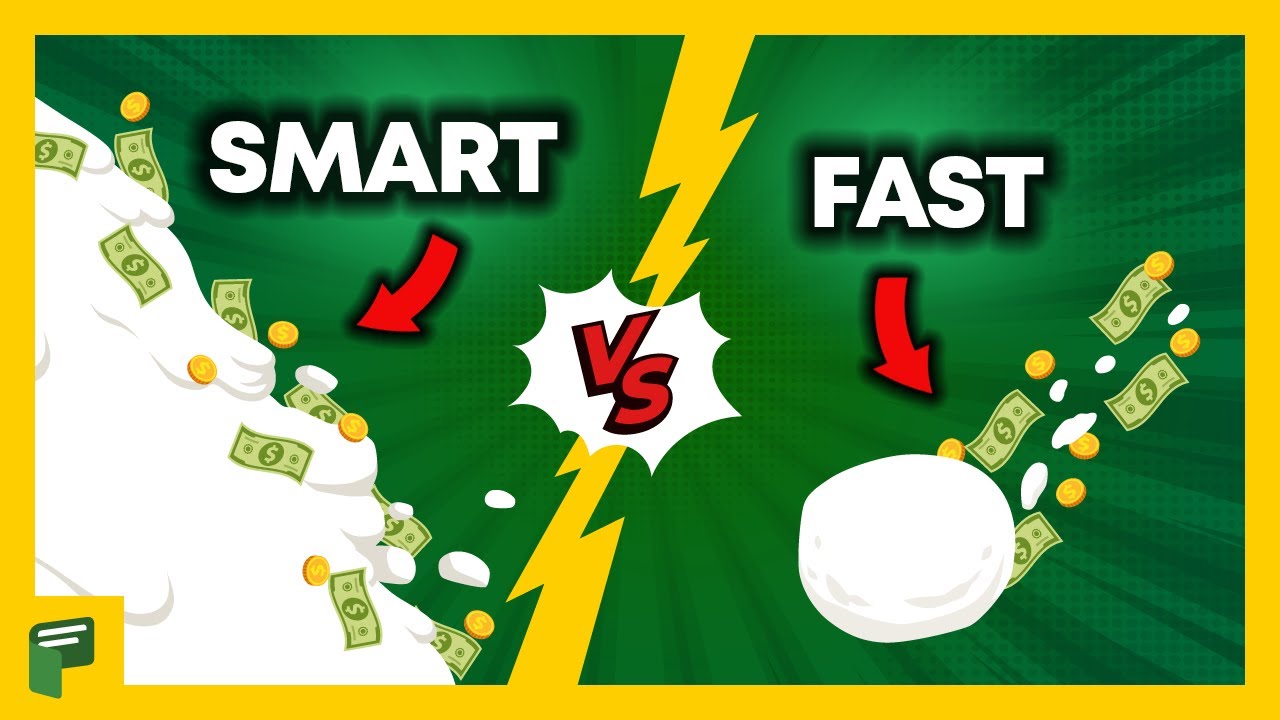
debts snowball and debt avalanche are two of the most famous go-to methods for getting out of debt both require you to focus on one debt while making the minimum payments on all the rest however the debt you focus on is different for each method let's find out which method of debt reduction suits you better [Music] using the debt avalanche method you make the minimum payment for all your debts but focus on the one with the highest interest rate you save you big guns for that one any and every extra dollar goes towards paying off that high interest debt once the big one crumbles and crashes you move on to the next biggest and so on until you're debt-free money was this is the smartest solution since you're getting rid of the debt with the highest interest rate first with the debt snowball method you completely disregard interest rates the only thing that matters is being able to take your debts off quickly which is why you attack the smallest debt first for making your minimum payments on all the others once you're done with the smallest debt you can add the money that went towards your snowball and move on to the next one your snowball grows with every debt you pay off sounds sensible right well it is but it will almost certainly cost you more than the avalanche method especially if you have debts with high interest rates so why do some people prefer it over debt avalanche because each small victory gives you a morale boost that's your fuel to keep going the debt snowball method gives you visible results quickly for many people that feel-good factor makes it worth paying a little bit extra in the long run debt avalanche is undoubtedly the more sensible approach but sticking to it requires more determination there are no external motivators so you need to keep pushing yourself to make your payments so have you ever used any of these methods or did you approach your debt in an entirely different way let us know in the comments [Music]

As found on YouTube