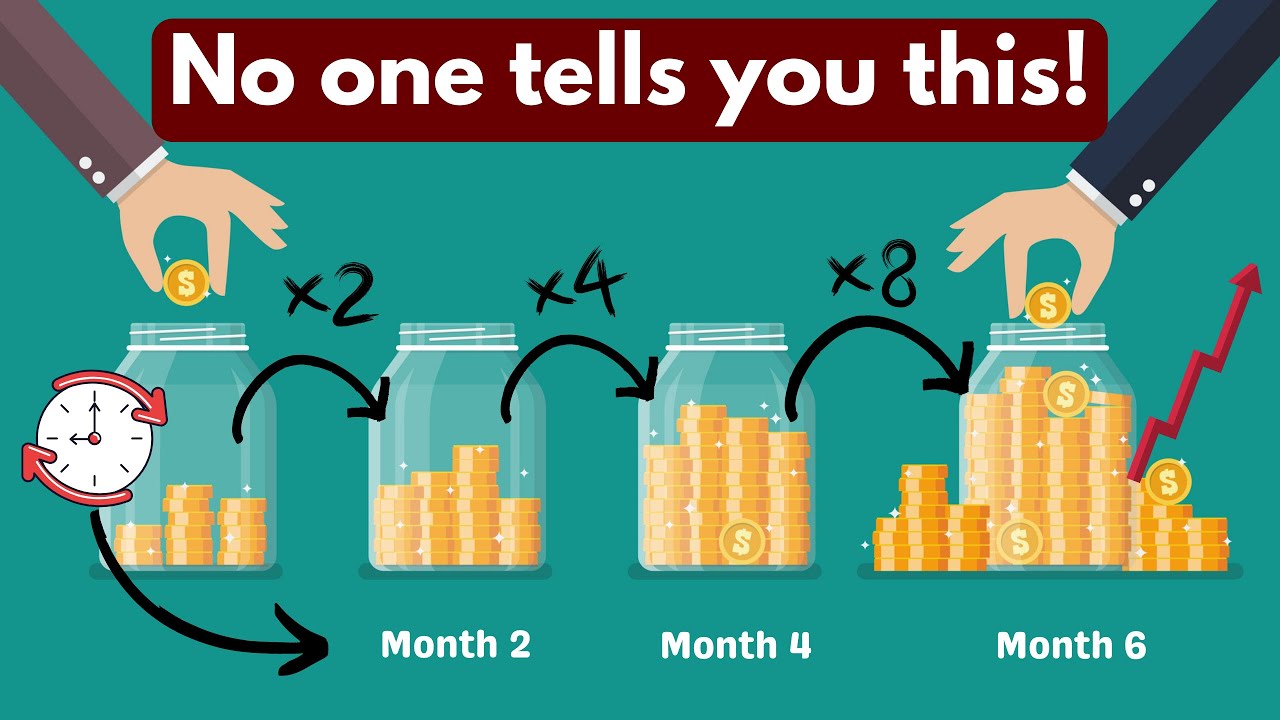
A few years back, I was always in the very
frustrating place where bills would constantly pile up and yet I had no money to pay them off
(If you have ever been in this situation then you probably that it can be really stressful
and hard on you). The good news is that, over time I did manage to prowl my way out of
this situation, and you can too.
Therefore, in today’s video, I’ll be sharing with you all
tips, tricks and strategies that you can use to get out of this situation, and hopefully get
ahead in your own personal finances. Stay tuned. However, before I get into the topic,
do me a favour – subscribe and hit that like button because it really
helps with the YouTube algorithm. Thank you, and now let’s get into it. Alright, so, the list begins with…
1. Keep track of your spending. You’ve probably already heard this a million
times and you are going to hear it again today, simply because it works and because you are
probably not doing it. Basically, it should always be a priority. Make sure that every single penny
you spend is clearly accounted for. The basic goal of expense tracking is to find and get rid of
inefficient spending patterns in your financial life.
Additionally, maintaining control over
your finances and encouraging better financial practices like saving and investing will come
from continuously keeping track of your costs. Basically, in the words of Peter Drucker, “If
you can’t measure it, you can’t manage it”. So this is what you should do to get in
control of your spending habits: First, analyse your categories of spending to determine
which are the most crucial. Perhaps you might even find out that you've been paying for a
subscription that you’re not using (I know I have, and maybe you are too). Most people
consider that cutting back on these “non-essential expenses” is a wise approach
to saving money. You might also want to go for activities that are less expensive now
that you can see where your money is going. And on top of saving money, you’ll
be getting educated on some of the topics you’ll be reading about.
So, there
really isn’t much to lose by doing this. 2. Make a budget. I never understood why most people didn’t
have a budget until recently. You see, most people are worried about all the paperwork
to be done to complete a budget. Well, in truth, it’s a lot of work, but it most certainly
is worth it. You see, you should look at budgeting from a different angle. Look at the
positives and look at how much is it going to benefit you. And once you’ve got a rhythm
going, make sure you stick to it. I’ve found this to be the only way that works.
So make sure you don’t lose the momentum. If you create a budget and then store it
away in a file or folder on your bookshelf or filing cabinet, it’s simply worthless.
So
make you’re constantly updating and review it, you can also use digital apps and software
to make this task a lot easier. There are a bunch of really good free ones online,
which you can find with a quick search. And if you are interested, I created a
free savings and budgeting guide which you can get with the link in the descriptions. 3. Give yourself a limit on unbudgeted spending.
Buying something in the spur of the moment that you hadn't budgeted for, can be enjoyable
and emotionally satisfying – literately everyone knows that. However, that
emotional high may pass quickly, leaving you with impulsive purchases
you don't actually need – or want. If this is you, then then the
bitter pill to swallow is that, this has to stop! In fact, it’s the
entire opposite of good money habits. Next time you are in the mall, try using the 1%
rule for spending money. This rule states that, you have to wait a day before buying anything that costs more than 1% of your yearly gross
income, so if you make $60,000 a year, the rules states that you need to a day
before making a purchase of over $600. This guideline applies to discretionary
spending on items you desire but don’t require, basically, the inner battle in your mind of
“do I really need this” vs “do I want this”.
The 24-hour cooling-off period gives you time
to reconsider your purchase. Why not take an additional day to consider if you actually need
it? After 24hrs you might not anymore. So next time you go shopping remember what that
guy from practical wisdom told you to try. 4. Save for big purchases. Seeing a beautiful $4,000 advertisement
of a stunning 90-Inch flatscreen, 8K Television – I mean, Imagine the
things you can see on that TV… Dose not mean that you should immediately pick up
your phone and credit card and start dialling the number on the screen. That’s a really
bad idea. Remember the rule that rule the guy from Practical wisdom told you
about, the 24hr one? Remember that? So, experts suggest that if you really want
that big TV then it’s best that the money comes from your savings account which is dedicated
for such purchases. Not a credit card loan, unless you have a really good plan to pay
the money back, which 99% of people don’t. Also, there are countless advantages that
come with saving for a big or expensive purchase. You may be able to negotiate
a cheaper price, or at the very least, better financing conditions, if you save up
and pay cash.
The price could drop as well. Additionally, for a larger purchase,
getting a loan may make more sense, especially if it's an item with
appreciating value, like a home, or if it prevents you from taking money
out of your savings or investment account. As paying in cash for the big expensive
TV might leave you with little to spend, therefore it’s wise to save up for a while
before you buy the products you need or desire. Therefore, it’s sensible to start
saving for that specific thing so that your daily life is not disrupted.
5. Read books about finance It’s true when they say that
if you want to hide something, just put it on paper. The sad truth is that
– most people never bother to read. You see, some of the things people choose to ignore,
such as the information contained in books, has a good chance of making them
successful if they bother to read them. Learning is a continuous process, and the more
you do it, the sharper your skills become. The ability to make wise financial decisions is
the chief advantage of financial literacy.
It gives us the information and abilities we need to
properly manage our finances, including budgeting, saving, borrowing, and investing. As a result,
we are better positioned to meet our financial objectives and establish financial stability.
It’s kinda like a super power, and it really puts you in a comfortable situation knowing that
you are in control of your financial destiny. 6. Lower your monthly bill. Cutting your monthly spending is one of the
simplest ways to gain control of your money. While you might not be able to cut back on
certain permanent costs, like rent or vehicle payments without making significant lifestyle
changes, you can cut back on variable costs, like clothes or entertainment by being adaptable
and thinking sparingly. To begin saving on things like your energy bills, you may, for
instance, use less power, pick a different life or home insurance company, or shop for
your groceries at bulk discounts. Additionally, you shouldn't accept a loan just because your
salary and credit make you eligible for one. Many people believe that the bank will
not give them a credit card or a loan that they cannot afford. But the bank is
only aware of the income you have disclosed, and the debts shown on your credit report;
the bank is unaware of any other commitments that would make it difficult for you to make
timely payments.

Based on your income and other monthly responsibilities, you must therefore
determine if a monthly payment works for you. 7. Eat at home. Meals prepared and consumed at home may be quite
cost-effective. All you have to do is reduce your reliance on takeout. The odd indulgence at a fancy
restaurant is OK, but starting to cook at home or carrying packed lunches to work rather than
dining out every day might save you money.
Making a weekly food plan may make it simple. Plan your
meals for the coming week and then stick to them. Even for those who don't consider themselves to be
cooks, the internet provides a seemingly limitless array of culinary and recipe advice. Begin by
making at least one meal a week at home. Bring your lunches to work starting next week. You might
be amazed by how much money you can actually save! 8. Pay off your debt. Carrying a lot of debt, especially on
high-interest credit cards, is one of the costliest mistakes you can make. If you want
to improve your financial situation and open up new financial opportunities, pay off your debt as
soon as possible. If you’re the forgetful type, you should list off all your existing debts,
including credit card debt, student loan debt, and vehicle loans, and determine the minimum
payments you must make to stay on top of each of them.
Making minimum payments will not get you
out of debt quickly, so consider your fixed costs and how much of your discretionary spending
budget you can set aside for debt repayment. Additionally, you can try to lower the interest
rate on the debt by requesting a lower rate from the issuer, merging several loans into one,
or moving high-interest debt to a low-interest credit card, such as a balance-transfer card,
to lower the overall interest rate. Afterward, create a debt repayment strategy and develop
responsible spending practices to pay off the debt as rapidly as possible.
Your monthly
budget will be larger the faster you pay off your debt. As I previously said, paying
off credit card debt must be a top priority. Unlike your automobile or house payment, it
increases with time and is hard to cut back on. 9. Stop using credit cards. Credit cards are a great and handy tool to have, they are a life saver when needed and they do a
great job getting that credit score up. However, for some people there lack of self-control
and an easy and available remedy to their problems in the form of a credit card means
that they quick dig themselves into disaster. You could be depending too much on your
credit cards if you are having trouble making ends meet each month. If you continue
using your credit cards as a crutch to get by, you'll soon find yourself in debt. Your ability
to pay your expenses, save for retirement, or pursue other financial objectives
will be constrained as a result of this. So stop using your credit cards if you genuinely
want to take charge of your money. To prevent accumulating more debt, in addition to creating
a budget so that you don't have to use credit, try switching to cash or debit cards;
opening a short-term savings account and using funds from it for major purchases;
or leaving your credit card at home. Credit cards have high-interest rates that may
quickly accumulate debt if not used wisely, and can cause significant stress
in the event of an emergency.
Because they feel like their money
disappears too quickly each month, many people develop the bad habit of depending on
their credit cards. They are tapped out and rely on their credit cards to get them through till
payday after paying bills, food, rent or mortgage, and other expenses. Instead of relying only
on your credit cards to cover expenses, stop using them altogether. Until you develop the
wisdom and maturity to handle such an instrument. 10. Continue to spend quickly. A "spending fast" can be just what your personal
finances need if you suffer from credit card debt, difficulties paying payments on time
or other financial problems.
Basically, going on a “spending fast” simply
means that you’re refraining from making any discretionary purchases
for a predetermined length of time. This is another great way to help you reduce
your spending and get your finances in order. It may sound a bit daunting, but it doesn’t
necessarily have to be. You may be familiar with the well-known (and sometimes contentious)
"detox" or "cleansing" fasts for your body, such as giving up sugar or gluten for 30 days
or even surviving solely on fruit or vegetable juices for a few weeks. But did you know
that in order to achieve financial wellness, you may use comparable fasting or cleansing
procedures to your spending and saving behaviours? These are frequently month-long periods
during which spending is restricted and only categories like food, transportation, and
recurring expenditures are exempted. If you're ready to live simply for a while, commit to
this challenge to boost your bank account, alter your behaviour, and determine what
you need rather than just what you desire. Your perspective on money can even
change as a result of the event. It’s my hope that this has been helpful
to you.
Now you can always be one step ahead of your finances by just following
the steps from this video. Consider the possibility that you have never had a
financial problem. That simply means more money for you. If you have any questions,
don’t hesitate to leave a comment down below. With that said, thank you
all so much for watching, have a great day, and I’ll
see you in the next one.

