– Hi, Coach Frasier here, with Full Circle Coaching and Consulting. And today I wanted to
talk to you about debt. Debt is a huge thing that
we hear about constantly from clients, from people
that reach out to us, and even just hey, friends and family. Debt is one of those
things that is so powerful that it can paralyze people
and control their lives. And we're seeing more and
more debt in our society. We're seeing people graduating with student loans of 250,000 dollars. We're seeing people
incurring more and more loans in their business to expand and grow. Lines of credits. We're seeing mortgages getting larger and larger, debt carrying cost. We're seeing people using credit cards to pay off other credit cards. And they're maxing them out. We're also seeing all sorts of people that are stressed about paying taxes and the debts that they
owe to the government.
So, if we allow these kind of stresses and this anxiety around
debt to control us, it will totally interfere with our ability to expand our businesses
and grow our lives. So, how do we do this? First step is we want to
teach you how to start wearing the pants in your relationship with debt so that you can start to control it. It's all about mindset. The second step is about creating a plan. If you can create a plan that allows you to breakdown that debt
and just beat the drum so that you can actually pay it off in a specified amount of time,
you can control your debt. And you can eliminate
your anxiety and fear. And that's the point. Debt, just like fear, is
invisible but it's real, okay. And it also, even though it's powerless, it can dominate people. I've seen it over and over.
So, let's create a plan so that you can get your life back,
control it and prosper. So, step one. The first piece again, mindset. Whatever we put our energy towards is where our energy goes. So, if our mindset is all about debt, guess what we get? We attract more debt. So, what we think about, we bring about. And we all know it. We know people that are worried about debt and that's all they talk about. And guess what? They're paralyzed there. They're in that space and
they keep on attracting more and more debt and bills. So, let's break that cycle. The first step to doing that is to take a piece of paper out
and start to write down all of the benefits of
the debt that you have.
So, be grateful. Start to write down all the benefits that the banks and all
of the loan companies and the line of credits, and
all these different lenders, even your clients. When they're lending you
money, what are the benefits? What are you doing with that money? So, once you start writing
down enough benefits for money then you're gonna start to
shift your mindset around it. It's not gonna be a negative anymore, it's gonna be a positive.
So, let's think about this. You know, money. The debt that you've
borrowed is allowed you to get a degree from school
and allow you to earn a living. It might have made you into a doctor that can help you change lives. It might've allowed you to buy the house that you now shelter and
protect your family with. It may help you get the car
that gets you to and from work. It helps you shuttle your
kids to different events. There are a 1000 different
ways that money is a benefit, or debt is a benefit. And once you write enough of these down, you'll feel grateful for it.
Step number two, change your debt from a money value, into a service value. So again, mindset around money is very powerful, it's very emotional and it can control us. So, let's simply take that money and figure out how much debt
we have, how much we owe and let's break it down
into cost of service. So, the services are the things that we do in our business. If it's a chiropractor, are you adjusting? What's your cost per adjustment.
Or if you're in business, what's your average
transaction cost or fee? And once you accumulate your service cost, you can divide that into your debt and figure out how many services will it take to pay off your debt. When you got that number of services, now, we can start to focus
on the amount of services that we can lovingly deliver or sell, or transactions that we carry on and how we can actually convert that into positive energy that will help us grow our business and
deliver more services so that we can pay down that debt. Rather than being stuck on
that negative dollar value. Powerful thing. I've seen this action. I have a client that was
mired in a fair bit of debt.
I think there was at least
three different credit cards and several line of credits. And when we started to just
simply consolidate them 'cause he had five or
six different payments. And we consolidated them into one big mass and we broke it down into
the number of adjustments it would take for him to pay that off, then we created a plan monthly. How many services did he require monthly in order to make that happen? The result was amazing. Because first of all I
saw his shoulders drop about six or eight inches. The amount of energy that
came out of him was incredible because finally he saw how
he controlled the debt. The debt didn't control
him, he controlled it. And he was able to focus on delivering that loving service in his practice.
And suddenly, his practice exploded. So, this is very real. If you can learn how to control the energy and mindset around debt, you can take back your life and you can continue to grow your practice and expand your ability to deliver your optimal self to the planet. So, let's think about
this, debt is really just a relationship with money. That's all it is, it's
a reflection of that and we see so many of our clients that have a huge block and that block interferes
with their ability to grow their business or their practice. So, if you're ready to change your mindset around debt and to take
some big steps forward, check out one of our coaches, see if you can book a call with one
of us and we can look at some of the interferences that you may have in your life, debt or otherwise, that prevent you from
growing your business.
Check out the practice
growth strategy sessions in the link below. Let's see if we can help break through that practice plateau, or
that business glass ceiling that limits you, and make that into a new glass floor. And you can start to grow your business and your practice organically. Thanks for watching..
Hello and welcome to our YouTube channel. Today, we're going to be discussing the top
10 strategies for debt management. If you're struggling with debt, it can be
a stressful and overwhelming situation. But don't despair, there are steps you can
take to get your finances back on track. As always, make sure to Like and subscribe
to the channel to stay up-to-date on all of the latest news. Let's get started! Number 1. Make a budget: The first step in
managing your debt is to understand how much money you have coming in and going out each
month. Make a budget that includes all of your expenses,
including your debt payments. By tracking your spending and identifying
areas where you can cut back, you can free up more money to put towards your debts. Use budgeting tools and apps to help you stay
organized and on track with your spending. Number 2. Prioritize your debts: Not all debts are created
equal. Some debts, like mortgage or car loan payments,
are considered "good" debts because they can help you build credit and improve your financial
situation in the long run.
Other debts, like credit card balances and
payday loans, are considered "bad" debts because they usually have higher interest rates and
can be more difficult to pay off. Prioritize paying off your bad debts first,
as they are costing you the most in interest charges. Focus on paying off one debt at a time, starting
with the one with the highest interest rate. Number 3. Negotiate with creditors: If you're struggling
to make your debt payments, don't be afraid to reach out to your creditors and ask for
help. They may be willing to work with you to lower
your interest rates or negotiate a payment plan that works for you. It's important to be proactive and communicate
with your creditors, as ignoring your debts will only make the situation worse.
Be honest with your creditors about your financial
situation and explain why you are unable to make your payments. They may be willing to help you find a solution. Number 4. Use a debt consolidation loan: If you have
multiple debts with different interest rates, a debt consolidation loan can help you simplify
your payments and potentially save money on interest. With a debt consolidation loan, you'll take
out a new loan to pay off your existing debts, and then make one monthly payment to the lender. This can be a good option if you're able to
secure a lower interest rate on the consolidation loan. Just be sure to carefully compare your options
and choose a lender with competitive rates and fees. Number 5. Use a balance transfer credit card: If you
have high-interest credit card debt, consider transferring the balances to a credit card
with a lower interest rate. Many credit cards offer introductory 0% interest
rates for a limited time on balance transfers. Just be sure to read the fine print and understand
any fees associated with the balance transfer, as well as the length of the introductory
rate period.
If you're able to pay off your balances within
the promotional period, you can save a significant amount on interest charges. Number 6. Consider a debt management plan: A debt management
plan is a repayment plan that is set up through a credit counseling agency. The agency works with your creditors to lower
your interest rates and monthly payments, making it easier for you to pay off your debts. With a debt management plan, you'll make one
monthly payment to the credit counseling agency, and they will distribute the funds to your
creditors on your behalf. This can be a good option if you're unable
to negotiate a lower interest rate on your own. Just be sure to choose a reputable credit
counseling agency that is accredited by a reputable organization. Number 7. Seek professional help: If your debts are
overwhelming and you're not sure where to turn, consider seeking the help of a financial
advisor or credit counselor. They can provide personalized advice and assistance
in finding the best solution for your specific situation.
A financial advisor can help you create a
budget and a debt repayment plan, while a credit counselor can help you understand your
options and provide support as you work to pay off your debts. It's important to work with a professional
who is knowledgeable and experienced in debt management, and who has your best interests
at heart. Number 8. Cut expenses: To free up more money for debt
payments, try cutting unnecessary expenses from your budget. This could include things like dining out,
subscription services, or entertainment costs. Look for ways to save on your monthly bills,
such as by negotiating with your service providers or switching to a cheaper plan. Every little bit counts, so be sure to look
for opportunities to save wherever you can.
Number 9. Increase income: Another way to free up more
money for debt payments is to increase your income. This could be through finding a higher paying
job, starting a side hustle, or finding ways to monetize a hobby or skill. Even small increases in income can make a
big difference when it comes to paying off your debts. Consider taking on additional work or starting
a business on the side to boost your income and accelerate your debt repayment. Number 10. Consider bankruptcy as a last resort: If your
debts are truly overwhelming and you're unable to make any progress in paying them off, bankruptcy
may be an option.
However, it's important to understand the
long-term consequences of bankruptcy, including the impact on your credit score and your ability
to borrow in the future. Bankruptcy should be considered as a last
resort, after you have explored all other options for managing your debts. It's a serious decision that should not be
taken lightly, so be sure to consult with a financial advisor or attorney before proceeding. These are the top 10 strategies for debt management. By following these tips and working with a
financial professional, you can get a handle on your debts and take control of your financial
future. Remember, it's never too late to start making
positive changes to your finances. Thanks for watching, and be sure to like and
subscribe for more helpful financial tips.
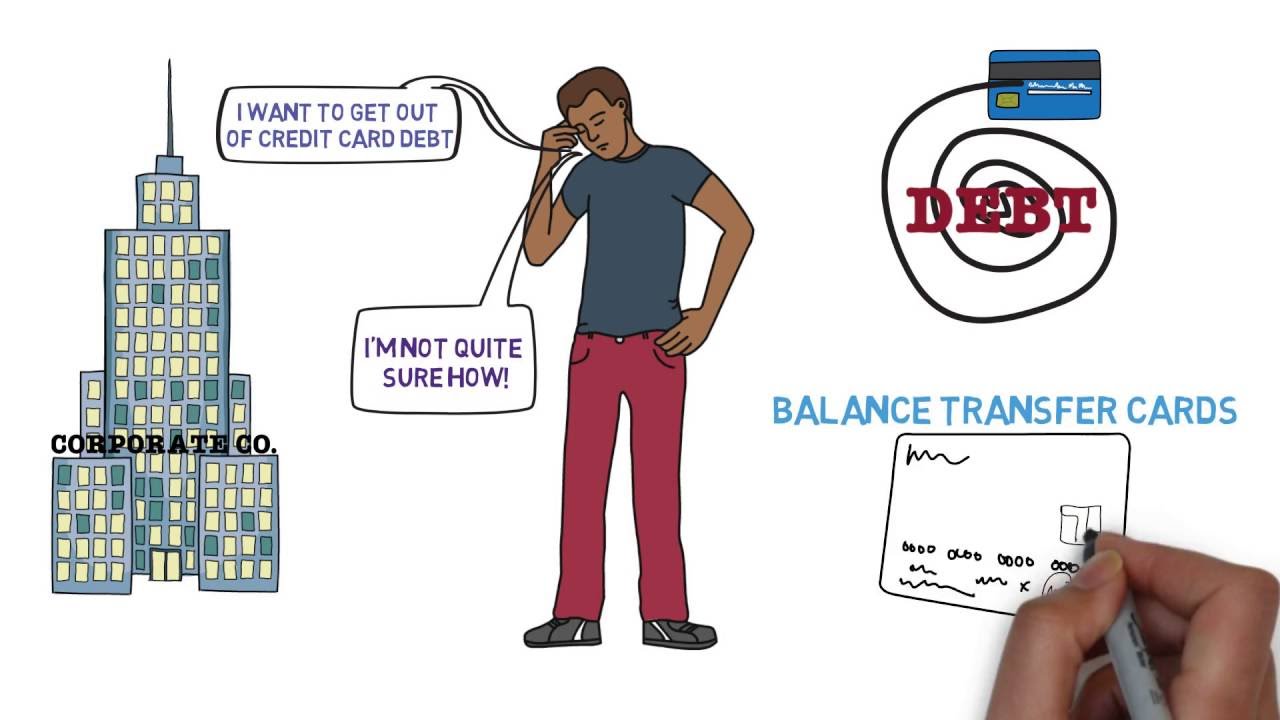
Meet Tom. Tom is a few years out college with a great
job and a lot credit card debt. Tom wants to get out of debt, but isn’t
quite sure how. Luckily for Tom, there exists a great solution
to his problem: balance transfer cards. However, before we continue, if Tom doesn’t
have a firm understanding of what a credit card or credit score is, or how to effectively
use either, we highly recommend watching our three videos “Credit Cards 101,” “Credit
Scores and Reports 101,” and “Credit Cards: Mistakes and Best Practices” before continuing
further. But let’s get back to the matter at hand. What is a balance transfer? Well, a balance transfer is simply the act
of transferring an existing credit balance to another credit card.
Most credit cards aren’t good this for:
they’ll immediately start charging interest on the transferred balance, plus a fee, generally
about 3-5% of the transferred balance. However, there is a specific subset of credit
cards, called balance transfer cards, that won’t immediately start charging interest,
instead giving Tom a 15-21 month window of 0% APR to pay off his balance interest-free. This is a great deal, but let’s still walk
through the steps you’ll need to take to get one: Step 1: Before doing anything, make a debt
repayment plan, ideally using our free recommended website, and rank your credit cards by interest
rate, as no matter what you end up doing, you’ll always want to tackle the highest
interest rate debt first.
Step 2: Once that’s done, call your credit
card company and try to get them to lower your APR. Emphasize that if they don’t agree, you’ll
move your balance to another company offering lower rates. Step 3: If the call fails and you still want
to transfer, keep in four three things. One: You’ll need good credit to get a balance
card. Two: You can’t transfer a balance to a card
offered by your current bank. Three: Depending of the size of your debt,
you may not be able to pay it off by the end of the promotional period, so have a plan
for that. And Four: The credit line on your balance
transfer card may be below your total debt load, meaning you’ll either have to:
Apply for a second balance transfer card Keep the remaining debt on your current card
and pay the high rate. Or use a personal loan, which is slightly
more expensive than a balance transfer card, but comes with a lower credit score requirement. And don’t worry, we’ll cover this option
in our next video. However let’s assume for now that Tom has
been approved for a balance transfer card with a high enough credit limit.
This is an important first step, but they’re
still a few more things to keep in mind: One: Don’t spend on the card, as the 0%
APR period may not extend to purchases. Two: Complete the transfer as fast as possible
or the 0% APR offer may expire. Three: Be careful about consolidate multiple
balances onto one card, as that will lower your credit score.
Four and Finally: Once you’ve completed
the transfer, always pay on time and don’t close out your old accounts, as failing to
follow either will lower your credit score. Hopefully you and Tom now better understand
balance transfer cards. Be sure to check out our next video, where
we’ll teach you how to get out of credit card debt without them, and be sure to website,
where you can find more educational content, your free credit score, and great credit card
recommendations..
Meet Adam and Jane They're finding it difficult to pay their debts So they called Debt Clear Future Debt Clear Future Dealt with their creditors Helped write off up to 80% of their debt Stop calls and letters Stop interest & Penalties Become Debt Free No More Bailiff or Bankruptcy Worries Just peace of mind They get to keep their home and possessions With Debt Clear Future Adam and Jane are now out of debt They can now Enjoy life debt free Debt Free Working for you not your creditors Call us today Claim your free file check Call 020 3322 5788 www.DebtClearFuture.co.uk
hello everyone welcome back to coin catalysts today we're going to dive into a topic that can provide a sense of relief especially if you're dealing with mortgage stress debt management strategies I'm coin coach Cassidy my passion for personal finance runs deep and I'm here to be your trusted companion on our financial Journey life can be unpredictable and sometimes Financial stress Creeps in whether it's related to your mortgage student loans or credit card debt but guess what you're not alone and there are practical steps we can take together to ease the weight of debt first let's acknowledge that tackling debt can feel daunting but with the right strategies it's absolutely doable step one assess your debt the first crucial step is knowing exactly what you owe make a list of all your debts including interest rates and minimum payments we have a video on assessing your financial situation with a handy and easy to follow checklist check it out to dive into assessing your financial situation step two create a budget a well structured budget is your road map to debt Freedom list your income sources and all your expenses this will help you see where your money is going step three choose a strategy there are a few approaches to paying off debt like the debt snowball or the debt Avalanche find the one that resonates with you and stick to it step four cut unnecessary expenses review your budget for discretionary spending can you trim back on dining out subscriptions or impulse buys every saved dollar can go towards paying off debt step five seek professional guidance if your debt feels overwhelming don't hesitate to reach out to a financial adviser they can provide personalized strategies and help you stay on track remember man managing debt isn't just about numbers it's about reclaiming your financial peace and security if you found this video helpful please give it a thumbs up and subscribe for more financial tips and support and if you have any questions or need guidance on specific topics feel free to leave a comment below thank you for watching this video today with these debt management strategies you're taking significant steps toward alleviating Financial stress including mortgage stress join me on this journey subscribe hit that notification Bell and let's embark on this adventure stay tuned for more valuable content on coin Catalyst your financial success is Within Reach and I'm here to guide you every step of the way
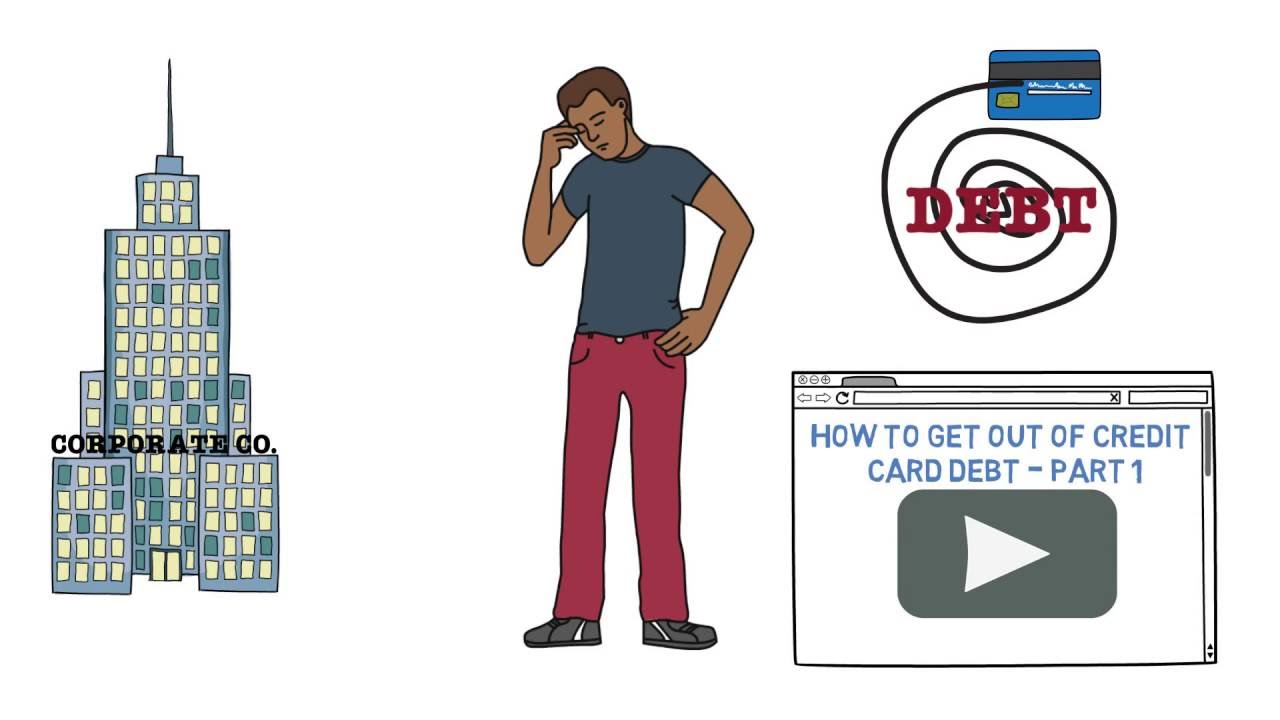
Meet Tom. Tom is a few years out college with a great
job and a lot credit card debt. Tom just watched our first video, “How to
Get Out of Credit Card Debt – Part 1”, so he understands that balance transfer credit
cards are a good debt management solution. Unfortunately, he just can’t qualify for
one with a big enough credit line. What should he do? Well, Tom’s not out of luck. He can instead use a personal loan pay off
his remaining credit debt. Personal loans are great. They come with fairly low credit score requirements,
generally around 640, and have interest rates lower than almost every credit card. Not only that, most modern personal lenders
will allow you to check your rates for free, without hurting your credit score.
In the end, these loans actually only have
one caveat, you just have to be sure their one-time setup costs are less than the interest
you’ll save by transferring. If this sounds confusing to you, don’t worry. We do the math for you on our website, plus
we teach you everything else you need to know in our video “Personal Loans 101” Finally, even if personal loans doesn’t
work, there are still a few more last resort options beyond asking your friends and family
for money: Option One: You could use the money from your
retirement accounts, like a 401(k) or an IRA. However, this option is problematic, as any
withdrawal before age 59 and a half with be subject to a 10% penalty, plus taxes, not
to mention raiding your retirement account is generally a bad long-term move.
Option Two: You could use a 401(k) loan, in
which you can borrow up to 50% of your current 401(k) contributions as a loan, up to a maximum
of $50,000. This definitely has advantages: there’s
no credit check, plus the interest rate will almost certainly be better than your credit
card. However, there are serious flaws to this loan
as well: not only are you prohibited from contributing to your 401(k) while the loan
is active, but if you leave your job, willingly or not, you’ll have only 60 days to repay
the loan, otherwise it’s considered an early withdrawal. Finally, we have Option Three: You could use
a HELOC, which is a revolving line of credit like a credit card, just much larger and secured
by a house. Again, this has advantages, mainly a lower
interest rate, but this is balanced by a major flaw: unlike a credit card, failure to repay
a HELOC can result in losing your home.
Finally, if none of our proposed solutions
have solved your problem, we highly recommend contacting the National Foundation for Credit
Counseling, or NFCC. They’re a nonprofit whose goal is to help
you avoid bankruptcy. To this end, they’ll create a personalized
payment plan for you and work with your lenders to both reduce your debt load and interest
rate. Hopefully you and Tom now have a better idea
of how to get out of credit card debt. If you want to see our balance transfer card
recommendations, your free credit score, or just more educational material, be sure to
check out our website!.
A few years back, I was always in the very
frustrating place where bills would constantly pile up and yet I had no money to pay them off
(If you have ever been in this situation then you probably that it can be really stressful
and hard on you). The good news is that, over time I did manage to prowl my way out of
this situation, and you can too.
Therefore, in today’s video, I’ll be sharing with you all
tips, tricks and strategies that you can use to get out of this situation, and hopefully get
ahead in your own personal finances. Stay tuned. However, before I get into the topic,
do me a favour – subscribe and hit that like button because it really
helps with the YouTube algorithm. Thank you, and now let’s get into it. Alright, so, the list begins with…
1. Keep track of your spending. You’ve probably already heard this a million
times and you are going to hear it again today, simply because it works and because you are
probably not doing it. Basically, it should always be a priority. Make sure that every single penny
you spend is clearly accounted for. The basic goal of expense tracking is to find and get rid of
inefficient spending patterns in your financial life.
Additionally, maintaining control over
your finances and encouraging better financial practices like saving and investing will come
from continuously keeping track of your costs. Basically, in the words of Peter Drucker, “If
you can’t measure it, you can’t manage it”. So this is what you should do to get in
control of your spending habits: First, analyse your categories of spending to determine
which are the most crucial. Perhaps you might even find out that you've been paying for a
subscription that you’re not using (I know I have, and maybe you are too). Most people
consider that cutting back on these “non-essential expenses” is a wise approach
to saving money. You might also want to go for activities that are less expensive now
that you can see where your money is going. And on top of saving money, you’ll
be getting educated on some of the topics you’ll be reading about.
So, there
really isn’t much to lose by doing this. 2. Make a budget. I never understood why most people didn’t
have a budget until recently. You see, most people are worried about all the paperwork
to be done to complete a budget. Well, in truth, it’s a lot of work, but it most certainly
is worth it. You see, you should look at budgeting from a different angle. Look at the
positives and look at how much is it going to benefit you. And once you’ve got a rhythm
going, make sure you stick to it. I’ve found this to be the only way that works.
So make sure you don’t lose the momentum. If you create a budget and then store it
away in a file or folder on your bookshelf or filing cabinet, it’s simply worthless.
So
make you’re constantly updating and review it, you can also use digital apps and software
to make this task a lot easier. There are a bunch of really good free ones online,
which you can find with a quick search. And if you are interested, I created a
free savings and budgeting guide which you can get with the link in the descriptions. 3. Give yourself a limit on unbudgeted spending.
Buying something in the spur of the moment that you hadn't budgeted for, can be enjoyable
and emotionally satisfying – literately everyone knows that. However, that
emotional high may pass quickly, leaving you with impulsive purchases
you don't actually need – or want. If this is you, then then the
bitter pill to swallow is that, this has to stop! In fact, it’s the
entire opposite of good money habits. Next time you are in the mall, try using the 1%
rule for spending money. This rule states that, you have to wait a day before buying anything that costs more than 1% of your yearly gross
income, so if you make $60,000 a year, the rules states that you need to a day
before making a purchase of over $600. This guideline applies to discretionary
spending on items you desire but don’t require, basically, the inner battle in your mind of
“do I really need this” vs “do I want this”.
The 24-hour cooling-off period gives you time
to reconsider your purchase. Why not take an additional day to consider if you actually need
it? After 24hrs you might not anymore. So next time you go shopping remember what that
guy from practical wisdom told you to try. 4. Save for big purchases. Seeing a beautiful $4,000 advertisement
of a stunning 90-Inch flatscreen, 8K Television – I mean, Imagine the
things you can see on that TV… Dose not mean that you should immediately pick up
your phone and credit card and start dialling the number on the screen. That’s a really
bad idea. Remember the rule that rule the guy from Practical wisdom told you
about, the 24hr one? Remember that? So, experts suggest that if you really want
that big TV then it’s best that the money comes from your savings account which is dedicated
for such purchases. Not a credit card loan, unless you have a really good plan to pay
the money back, which 99% of people don’t. Also, there are countless advantages that
come with saving for a big or expensive purchase. You may be able to negotiate
a cheaper price, or at the very least, better financing conditions, if you save up
and pay cash.
The price could drop as well. Additionally, for a larger purchase,
getting a loan may make more sense, especially if it's an item with
appreciating value, like a home, or if it prevents you from taking money
out of your savings or investment account. As paying in cash for the big expensive
TV might leave you with little to spend, therefore it’s wise to save up for a while
before you buy the products you need or desire. Therefore, it’s sensible to start
saving for that specific thing so that your daily life is not disrupted.
5. Read books about finance It’s true when they say that
if you want to hide something, just put it on paper. The sad truth is that
– most people never bother to read. You see, some of the things people choose to ignore,
such as the information contained in books, has a good chance of making them
successful if they bother to read them. Learning is a continuous process, and the more
you do it, the sharper your skills become. The ability to make wise financial decisions is
the chief advantage of financial literacy.
It gives us the information and abilities we need to
properly manage our finances, including budgeting, saving, borrowing, and investing. As a result,
we are better positioned to meet our financial objectives and establish financial stability.
It’s kinda like a super power, and it really puts you in a comfortable situation knowing that
you are in control of your financial destiny. 6. Lower your monthly bill. Cutting your monthly spending is one of the
simplest ways to gain control of your money. While you might not be able to cut back on
certain permanent costs, like rent or vehicle payments without making significant lifestyle
changes, you can cut back on variable costs, like clothes or entertainment by being adaptable
and thinking sparingly. To begin saving on things like your energy bills, you may, for
instance, use less power, pick a different life or home insurance company, or shop for
your groceries at bulk discounts. Additionally, you shouldn't accept a loan just because your
salary and credit make you eligible for one. Many people believe that the bank will
not give them a credit card or a loan that they cannot afford. But the bank is
only aware of the income you have disclosed, and the debts shown on your credit report;
the bank is unaware of any other commitments that would make it difficult for you to make
timely payments.
Based on your income and other monthly responsibilities, you must therefore
determine if a monthly payment works for you. 7. Eat at home. Meals prepared and consumed at home may be quite
cost-effective. All you have to do is reduce your reliance on takeout. The odd indulgence at a fancy
restaurant is OK, but starting to cook at home or carrying packed lunches to work rather than
dining out every day might save you money.
Making a weekly food plan may make it simple. Plan your
meals for the coming week and then stick to them. Even for those who don't consider themselves to be
cooks, the internet provides a seemingly limitless array of culinary and recipe advice. Begin by
making at least one meal a week at home. Bring your lunches to work starting next week. You might
be amazed by how much money you can actually save! 8. Pay off your debt. Carrying a lot of debt, especially on
high-interest credit cards, is one of the costliest mistakes you can make. If you want
to improve your financial situation and open up new financial opportunities, pay off your debt as
soon as possible. If you’re the forgetful type, you should list off all your existing debts,
including credit card debt, student loan debt, and vehicle loans, and determine the minimum
payments you must make to stay on top of each of them.
Making minimum payments will not get you
out of debt quickly, so consider your fixed costs and how much of your discretionary spending
budget you can set aside for debt repayment. Additionally, you can try to lower the interest
rate on the debt by requesting a lower rate from the issuer, merging several loans into one,
or moving high-interest debt to a low-interest credit card, such as a balance-transfer card,
to lower the overall interest rate. Afterward, create a debt repayment strategy and develop
responsible spending practices to pay off the debt as rapidly as possible.
Your monthly
budget will be larger the faster you pay off your debt. As I previously said, paying
off credit card debt must be a top priority. Unlike your automobile or house payment, it
increases with time and is hard to cut back on. 9. Stop using credit cards. Credit cards are a great and handy tool to have, they are a life saver when needed and they do a
great job getting that credit score up. However, for some people there lack of self-control
and an easy and available remedy to their problems in the form of a credit card means
that they quick dig themselves into disaster. You could be depending too much on your
credit cards if you are having trouble making ends meet each month. If you continue
using your credit cards as a crutch to get by, you'll soon find yourself in debt. Your ability
to pay your expenses, save for retirement, or pursue other financial objectives
will be constrained as a result of this. So stop using your credit cards if you genuinely
want to take charge of your money. To prevent accumulating more debt, in addition to creating
a budget so that you don't have to use credit, try switching to cash or debit cards;
opening a short-term savings account and using funds from it for major purchases;
or leaving your credit card at home. Credit cards have high-interest rates that may
quickly accumulate debt if not used wisely, and can cause significant stress
in the event of an emergency.
Because they feel like their money
disappears too quickly each month, many people develop the bad habit of depending on
their credit cards. They are tapped out and rely on their credit cards to get them through till
payday after paying bills, food, rent or mortgage, and other expenses. Instead of relying only
on your credit cards to cover expenses, stop using them altogether. Until you develop the
wisdom and maturity to handle such an instrument. 10. Continue to spend quickly. A "spending fast" can be just what your personal
finances need if you suffer from credit card debt, difficulties paying payments on time
or other financial problems.
Basically, going on a “spending fast” simply
means that you’re refraining from making any discretionary purchases
for a predetermined length of time. This is another great way to help you reduce
your spending and get your finances in order. It may sound a bit daunting, but it doesn’t
necessarily have to be. You may be familiar with the well-known (and sometimes contentious)
"detox" or "cleansing" fasts for your body, such as giving up sugar or gluten for 30 days
or even surviving solely on fruit or vegetable juices for a few weeks. But did you know
that in order to achieve financial wellness, you may use comparable fasting or cleansing
procedures to your spending and saving behaviours? These are frequently month-long periods
during which spending is restricted and only categories like food, transportation, and
recurring expenditures are exempted. If you're ready to live simply for a while, commit to
this challenge to boost your bank account, alter your behaviour, and determine what
you need rather than just what you desire. Your perspective on money can even
change as a result of the event. It’s my hope that this has been helpful
to you.
Now you can always be one step ahead of your finances by just following
the steps from this video. Consider the possibility that you have never had a
financial problem. That simply means more money for you. If you have any questions,
don’t hesitate to leave a comment down below. With that said, thank you
all so much for watching, have a great day, and I’ll
see you in the next one.