How can I handle my creditors if I know I
cannot pay my bills? This is a question that comes up all the time. Now first, let me assure
you, there are many factors that can just reek havoc on your ability to pay your bills,
so you can have layoffs, maybe health or medical issues, maybe some other unexpected crosses.
Those types of situations will definitely and certainly affect your ability to repay,
so don't feel like you are alone, and don't feel like you're the first person that has
to speak with your creditors because you're going through such a crossly situation.
Call
your creditors, let them know that you cannot pay your bills at this point and time, but
also be sure to let them know the reason you cannot pay, and what it is you're going to
do about it. In other words, let them know what you can pay, and when they can expect
to receive payment, and then follow through, it is not appropriate for you to tell your
creditors one thing, and then do something else, they're counting on you to follow through
with what you tell them you would do.
Now if you tell them you can pay a certain amount,
it may be that they're even acceptable to having you pay that amount on an ongoing basis,
if so, you may want to pursue that and make it part of an extension of the loan or debt
that you currently have. Most importantly, you want to be sure and keep your utilities,
and any secured debt, such as your home, your automobiles, or something that you have an
asset setup against. You want to be sure that you keep the payments current on those items.
So far as medical bills, personal loans, or credit cards, those would be the ones that
you first want to negotiate. However, if you find that your home loan, which is usually
your largest loan, if you find that that's going to be unmanageable for you to make your
payments, you need to call them first, call your creditors and let them know what's going
on, and what you plan to do with it.
You want to know how to use your credit card
to save you some money. Well, sometimes you can save money by transferring the balances
of a higher interest rate credit card to a credit card that has a lower rate of interest.
And also, if you have problems making payments, then you may find that one card can incorporate
all your small credit card balances together into one payment each month. And then that
way you would have only that one payment to be concerned with. So you can use your credit
card to save money if you look at it from both of those perspectives..
Meet Tom. Tom is a few years out college with a great
job and a lot of credit card debt. He wants to get out of debt, but isn’t quite
sure how, especially because he didn’t qualify for a good enough balance transfer card, detailed
in our two-part video series “How to Get Out of Credit Card Debt”. While Tom may think all hope is lost, there
is another way: personal loans.
However, before we continue, if Tom doesn’t
have a firm understanding of what a loan is, or how to effectively use one, we highly recommended
watching our two videos “Loans 101” and “Loans: Mistakes and Best Practices” before
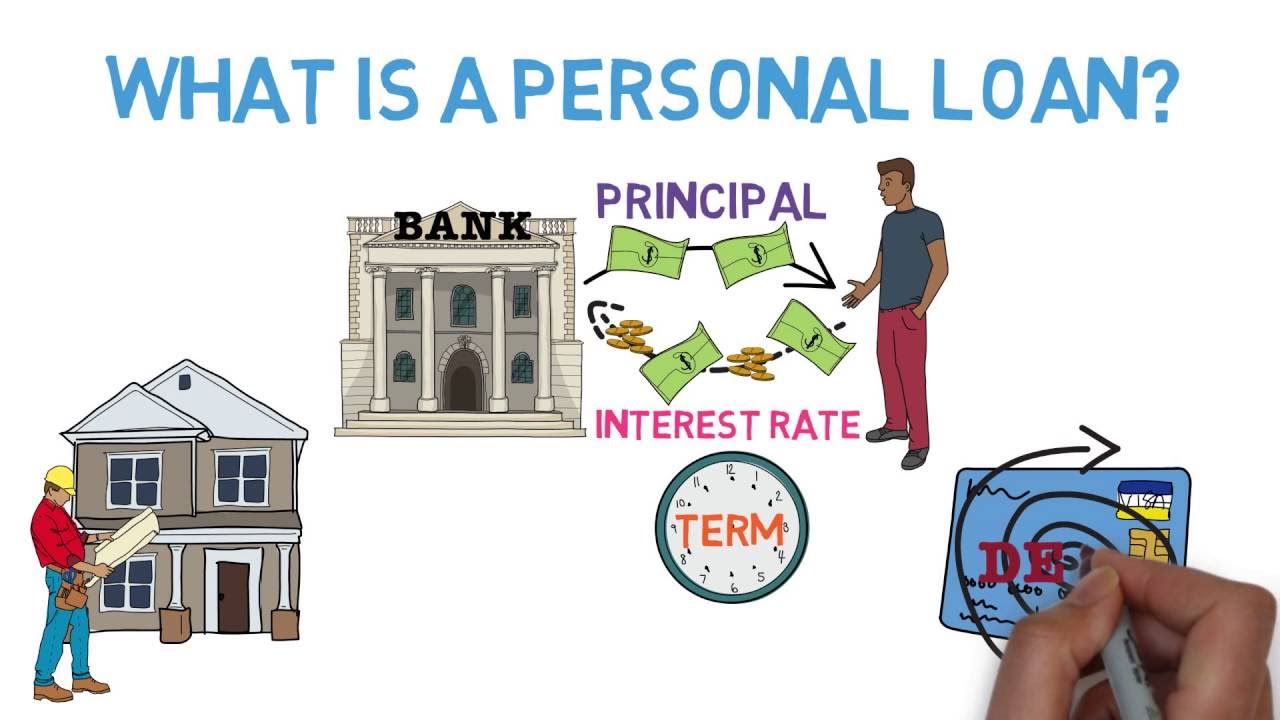
continuing further. But let’s get back to the matter at hand. What is a personal loan? Well, like most loans, personal loans offer
Tom a fixed amount of money at a certain interest rate for a set period of time. However, unlike most loans, personal loans
can be used for a wide variety of expenses, ranging from home improvement projects to
paying off credit card debt.
Speaking of credit cards, personal loans,
especially those from online lenders, will have interest rates lower than almost every
credit card. In addition, if Tom borrows from an online
lender that considers not just his credit score, of which he’ll need at least a 640,
but also his education status and earnings potential, those interest rates can be even
lower. Plus, even better, applying for a personal
loan from an online lender couldn’t be easier. All Tom needs to do is fill out a short credit
application. Then, the lender will likely use a “soft
pull” for his credit history, which won’t hurt his credit score, and within a few minutes,
Tony will be able to see the amount see can borrow and the APR he qualifies for, a process
he can then repeat at multiple online lenders. Should Tom instead choose to get personal
loan from an offline lender, like a big bank or credit union, which just have one warning.
These institutions tend to have higher interest
rates due to their much greater overhead, plus they tend to avoid “soft-pulls”,
which makes it harder to check your rates without hurting your credit score. So let’s assume Tom has chosen to get a
personal loan through an online lender. What’s his next step? Well, assuming he’s chosen his lender and
has checked his rates, he can then fill out the actual loan application online.
This should be very simple process, but there
is one thing to watch out for. Online lenders often charge a nonrefundable
origination fee for creating the loan, generally ranging between 1-5% of the loan’s value. This generally means two things:
One: If Tom wants to borrow exactly $10,000, and has to pay a 1% origination fee he’ll
need to borrow $10,100 dollars instead. Two: If Tom wants to use the loan proceeds
to pay off credit card debt, he needs to make sure the origination fee is less than the
interest he’ll save by using a personal loan. And don’t worry, our online calculator makes
this process a breeze. Finally, assuming the math checks out, Tom
just needs submits his application.
At this point, there will be a hard credit
check, but assuming Tom is approved, his bank account will generally be funded within a
few days. Tom is now on his way to being debt free. Congratulations! You’ve finished our personal loan basics
curriculum! If you want to see our free recommendations
for personal loan lenders, or just check out more educational material, be sure to check
out our website!.
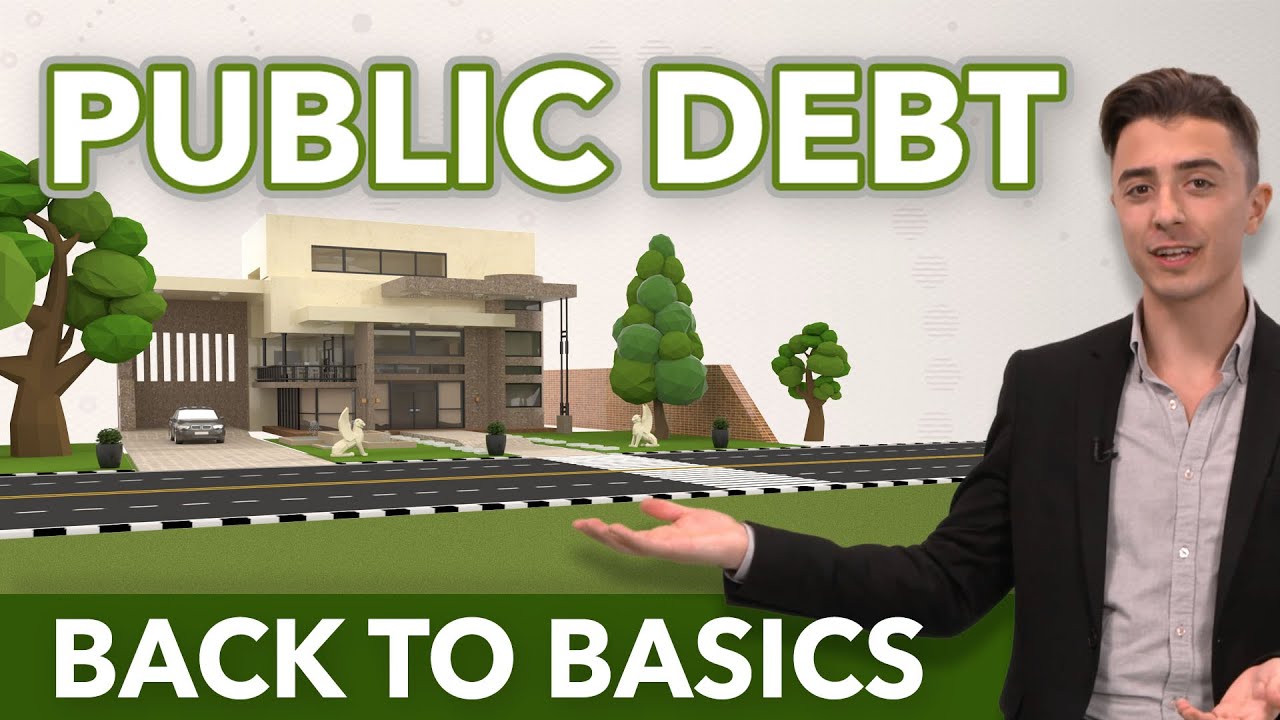
Wow! What a house! Maybe a little much for me, though. Okay, this is probably more like what I can afford. Unless, I could borrow the money to get something a little bigger. Perfect. But, borrowing means that I could be in debt. And for a lot of people, that can be intimidating. But debt is really just a way of borrowing money, with the promise of paying it back with interest. That sounds okay, right? Unless. I would take out a big loan that I couldn't pay back. People take out loans all the time to buy houses, cars, to pay for school. All sorts of things. And it's not just people. Companies also borrow. And governments do it too. When a government borrows, it's called public debt or sovereign debt. Governments raise this money by issuing bonds, and then selling them to the public with a guarantee that they'll pay them back. Just like people, countries need money to buy or build stuff that their income, mostly tax revenues, won't entirely pay for. Governments should invest their money wisely in things that help their citizens. Think of education or health care.
Governments can also invest in things that will generate revenue or grow the economy, like infrastructure projects. Governments can also use the money to reduce taxes or they can even give it directly to its citizens who need support. So why are economists sometimes concerned by public debt? Well, for all the benefits that these funds can bring, there are also risks. Let's take two countries to demonstrate. Here’s country A, and here’s country B. Now, let's say both of them have borrowed roughly the same amount of money at roughly the same time.
But looking closer, we can see they have very different economies, notably in size measured by gross domestic product, or GDP. Let’s look at their debt levels again, but this time as a percentage of their GDP. And, wow. You see the difference? Same debt, but very different outcomes. Countries are able to manage their debt when they borrow a reasonable amount relative to their ability to pay it. Country A’s economy is big enough to pay the interest on the debt. If Country B cannot pay things back, well, it gets harder to convince investors to lend you more money. And that is scary because it only gets harder from there. If an economic crisis hits, one of these guys will have the funds they need to respond. The other is going to need some help. The trick here is for governments like Country B to invest the money they borrow wisely, which can help keep debt manageable. So where does that leave me and my new house? Well, first, I need to adjust my own budget. I don't need that. That. That. You're gone. Definitely gone. And second, debt isn’t about living beyond my means.
It's about borrowing a reasonable amount relative to my ability to pay it. Even if I do splurge every now and again..
Growing up, you learned how to do things right. You went to school, got good grades, and now
you've started working. The paychecks are coming and you are happy
to receive them. You may have worked for 3, 5, or even 10 years
but your finances are not looking as good as your career. You are probably one or two paychecks away
from going broke. You know this is a problem, but you don’t
know how to fix it. Have you ever wondered why you have been so
successful in your career, but you seem to be struggling with your finances? The reason is simple.
Personal finance management is not taught
in schools, and it isn't taught at home either. Your school teachers were more concerned about
doing their jobs and grading your papers. Except in a few cases, your parents on their
part encouraged you to be a good student and also to become a responsible citizen. The reason both parties never talked to you
about financial management is that they didn't know it. Probably, they were also struggling with their
finances and never had solutions to their money problems. Managing your personal finance can be a tricky
task especially in the world that we are living in. If care is not taken, even the most prudent
person could slip and find themselves in a financial mess. Do you know why? It is easy to spend the money you earn.
Your bank accounts are linked to multiple
services. Placing an order or making a purchase could
be as easy as a few clicks on your computer or mobile phone. If you want to make the most from the money
that you earn, you must plan for it. You must live in constant awareness of the
money that is coming in and how it is going out. Without the right information, you may not
know how to come out of the rat race most people have found themselves in. That is why we are looking at how you can
be in total control of the money you earn and the things you are spending your money
on. You can effectively account for your money
only if you manage your finances properly. Are you getting some value from this video
so far? If you are, I would like you to do something
right now.
Pause the video. Go ahead and hit the ‘like’ button and
also click subscribe if you are new, and welcome. That way you will be notified of all our inspirational
videos any time we upload them. Done? Great! Let’s dive in. What is personal financial management? As a term, personal finance covers all aspects
of managing your money as well as saving and investing. This includes budgeting, investments, banking,
insurance, tax, mortgages, and retirement plans. Personal finance has to do with meeting your
personal financial goals including short-term, mid-term, and long-term goals. Personal financial management has to do with
your ability to know where you are financially at the moment and what you can do to make
the most out of your income in order to plan for a better future. This involves gaining control over your present
financial situation so that you can organize your daily expenses to match your plans and
expectations for the future.
The reasons why money management is important
1. Saving money
The questions you need to answer are these: What if you lose your paying job today? How far can you go before you get another
job? Have you ever heard the expression "Saving
for the rainy day"? It is important to have some money kept aside
that could save you from emergencies. 2. Security for your family
As you grow in life, your responsibilities will grow to catch up with you. You want to plan for your child’s college
education. You want to plan for your family's health
through insurance and other solutions. Planning for your family security is an essential
part of money management. 3. Investment opportunities
No matter how much you earn today, your needs will increase over time. Managing your money effectively will prepare
you for investment opportunities. You will learn how to pick the right kind
of investments. Having the right kinds of investments will
help you meet your growing needs in the future. Without proper management, you may not have
enough to meet your present needs. And if you can’t meet your present needs,
how are you going to have extra money to invest for your future needs? 4.
Better Living Standard
Are you happy with your present living standard? I’m sure you would like yourself and your
loved ones to enjoy a better living standard in the future. You want to own your own home, or at least
a better one. You want to go on vacation with your loved
ones to distant places. All this can only be accomplished if the money
you earn today is properly managed. 5. Increase in Financial Intelligence
The good thing about financial planning is that it exposes you to higher financial knowledge. When you start saving and making plans for
the future, you will need the services of financial advisors. As you plan and work closely with these experts,
your financial intelligence will increase. Make sure you build a relationship with financial
advisors that you can trust. Trusted advisors will be transparent and willing
to share their knowledge with you.
Over time, you may find that you are beginning
to take investment decisions on your own. Now that you have seen the reasons why you
must manage your finances, you also need to learn the strategies that you can apply to
get it right. Strategies to effectively manage your money
1. Budgeting
It is easy to spend most of your money on irrelevant purchases if you don't have a budget. Making unnecessary purchases will affect your
savings and leave you disappointed at the end of each month. You can get it right by making a proper budget. Map out different areas you want to allocate
your money. As you allocate money for your daily expenses,
also allocate money for your long-term goals such as investments. There are no rules of the thumb here. You should identify a budgeting plan that
is most suitable for you. Several budgeting apps have been created for
smartphone users. You can as well use excel sheets. Do a little research and identify the ones
that suit your purpose the most. A school of thought suggested a budgeting
method known as 50/30/20. A breakdown of this method goes like this:
Assign 50% of your income after taxes to essential living expenses such as rent, groceries, utilities,
and transport.
Assign 30% to casual expenses such as wear,
vacation, recreation, and charity (if you like). Assign 20% to future plans such as savings,
investment, and retirement plans. It doesn't matter how much you have had things
messed up. It is never too late to start. You can start today by drawing a budget for
yourself. 2. The right bank accounts
Operating the right bank accounts is necessary to successfully manage your finances.
You can set up checking, saving, and investment
accounts. These accounts will become the pillars of
your financial success. Your checking account should hold the money
you use for your regular purchases. You should not leave your savings in a checking
account. Keep your savings in a separate account designed
for that purpose. If not, you could constantly interfere with
your savings and squander it on unplanned purchases. Also, fund your investment accounts and be
consistent with them. 3. Emergency fund
One thing about life is that unexpected expenses show up from time to time. What happens if you weren’t prepared for
it? No one prays for misfortune but as long as
we live on planet Earth, situations beyond our control will surface. Set money aside for unexpected situations
such as the loss of a job. You should save up money in your emergency
fund that should last you up to 6 months assuming you lost your job.
Your emergency fund should also hold funds
for situations such as medical bills, major house repairs, or a huge car repair. 4. Keep track of your finances daily
You must check in with your finances daily. This shouldn't take much of your time. Dedicate 5-10 minutes of your time to it daily
and you will be good. Keep track of all your purchases and keep
receipts. Enter your spending into an excel sheet or
the budgeting app you are using. That way, you will know when you start spending
above your budget. 5. Clear up debts
Debt could be a major hindrance when you start working to achieve your financial goals. Identify the recurrent debts that you have
and start with the biggest ones. If you have many accumulated debts, then you
may have to set up a debt repayment plan. Allocate a good chunk of your income to paying
up these debts and aim at clearing them as soon as possible. You can take it up one after the other. Start with the biggest ones, and then the
next, until you have them all cleaned up. When you are done paying off your outstanding
debts, avoid getting into new debts.
Here are some tips that could help you clear
up your debts faster. • Set up a side hustle – If your current
income cannot pay off your debts quickly, you may consider starting a side hustle. A side hustle will not only bring in extra
cash that you need at the moment, but it will also position you to reach your future financial
goals faster. You can go online and research available work-from-home
jobs that you can do in your spare time. You can start with freelance jobs, drop shipping,
or affiliate marketing. Who knows, your side hustle could grow to
become a major source of income for you. • Get a second job – A second job will
be handy to help you clear up your debts. This may require some sacrifices on your part,
but you have to do whatever it will take to come out of debt and become financially free. • Sell off idle items in your home – If
you look around your home, you could find unused or unwanted items lying idle. Put them up for sale on online marketplaces
such as eBay. There could be someone out there searching
for that exact item and willing to pay for it.
• Cut down your budget in some places – Go
back to your budget. Look through your listed items. You may find some things you can do without. Take them off from the list or at least cut
down your budget for them. That way, you could find extra cash to pay
your debts faster. 6. Be smart with your credit cards
Credit cards have become an essential part of our financial activities. It seems unrealistic to not own one these
days. Credit cards provide convenience to us in
paying for goods and services, but they can also become major traps for debts.
Make sure you pay off your full balance every
month. If you can’t do that, then keep your credit
utilization ratio at a minimum. It means that you must strive to keep your
account balances below 30% of your total available credit. 7. Examine your credit score
Keep an eye on your credit card score. Your credit score is a three-digit number,
but it can make a great difference in your finances. If your credit card score is high, you will
attract lower interest rates and better loan terms from lending institutions. A good credit card score will become useful
when you apply for large loans such as a mortgage. Getting a low interest rate on a mortgage
could save you thousands of dollars. Here are some ways you can improve your credit
card score.
1. Get your credit report and check for errors. 2. Use a credit monitoring service to prevent
future errors. 3. Pay bills on time and keep your credit utilization
rate low. Late payment of bills is one of the fastest
ways to ruin your credit score. Well, that’s all for the video. If you are interested in more interesting
content. Check out these two videos. How businesses manage money Cashflow explained It’s Not About How Much You Make, It’s
About How Much You Keep Fundamental’s of Money Management Thank you guys so much for watching, have
a great day and I’ll see you all in the next one.
How do I live within my means and get out
of debt? Hmm, that's a question I'm often asked. And I'll tell you, while shopping seems
to have become the number one national pastime, you can, with just a few simple changes in
your every day routine, get out of debt and live within your means. First off, you have
to determine what you owe and estimate some type of budget. Now, you have to understand
that the budget's going to change over time, and as you realize that there's some things
maybe you didn't include or things that you've overestimated in it. You need to be responsible.
Do not underestimate your debts or your bills. And you need to get help from a consumer credit
counseling agency if you find that budgeting is just something that you're not able to
do. Then, next, you need to discuss at one time altogether with your entire family, your
entire household, about the budget needs. You have to be honest. Let them know where
you're at and what you're going to have to be doing.
It's not necessarily all about cutting
different expenses; it's about reaching goals so that you can live a happier, better life.
And don't play the blame game. You're not looking for any type of retribution to anyone
who has, perhaps, caused some past budget problems. You're looking to go forward to
create a truly workable budget that fits everyone in your family. Then you need to take feedback
from each other, from each family member, and you need to brainstorm about ideas of
how to cut expenses in certain areas and just embrace that there's a difference between
your wants and your needs.
You need to develop your goals and figure out methods of accountability.
You need to set a reasonable budget that incorporates everyone, and that it's a budget everyone
can follow. You need to realize that you need to stop shopping as a pastime and find alternate
hobbies. It's very important that you have regular budget discussions with your family,
perhaps monthly. Make it an event that everyone can enjoy as well as be apprised of what's
going on with your family's budget.
You need to keep everybody up to date and remember,
you're going to have to adapt that budget as things change. Very, very important to
not ignore spending problems. You need to address those. In fact, if you find that you
have someone in your family — maybe yourself — who finds that they need to be buying
things to find some type of pleasure, then you need to get some sort of counseling for
that particular individual. I would recommend that you look at your consumer credit counseling
agency for what type of programs they have that can help to prevent those types of problems
from getting out of hand. Also, you need to, as I've said before, stay away from the malls,
stay away from the superstores. You need to go shopping with a list in hand, planning
to buy only those items on the list, and you need to work together as a team — a family
group — that doesn't buy beyond that list.
Also, acknowledge everyone's contribution
to the resolution. And as everyone works hard towards keeping in that budget, you need to
make sure that you praise them. You need to help each other plan outings that aren't expensive,
like going to the park or maybe some low-cost museum visits. And discuss with them the expectations
that you have before you go to a store or before you go shopping. Make sure, especially,
that you discuss this with your younger children so that they'll know they're not getting a
new toy that day, but let them know what you are planning on doing. Again, shop only from
that list and don't attend sale shopping unless you have that list with you. You'll find it's
not so hard to live within your means, and that you get out of debt a lot quicker than
you ever thought possible..
Debt consolidation is a total trap! Or is it? The real answer is: it depends. You see debt consolidation is one
of those really tricky things that if you do it right, it'll save you
thousands of dollars in interest payments and countless headache. That's why you see it advertised
all over the place like it's some sort of magic pill. …it's not by the way.
But if you do it wrong, it can get bad. And I mean really, really bad. I mean thousands of dollars, there
goes your credit, oh wow, there goes your house, kind of bad. And if you don't pay attention to every
little detail about the process from start to finish, you will end up on
the bad side of the deal every time. So today we're breaking down the
pros, cons and pitfalls of debt consolidation, so that you can
make sure that your process is a money saver instead of a money pit. Hey Dreamers and welcome back to
my channel, where we break down all things money so it can stop being
an obstacle and start being what it is: a tool to help you build a life
that you truly find worth living. Now, before we start walking through
the pros, the cons and the pitfalls of debt consolidation, let me introduce
myself to the new folks in town. I'm Tiana B. Clewis, an author, speaker, and coach who
has dedicated her life to helping women entrepreneurs transform their relationship
with money so they can grow their income, dump debt, and start building a lifestyle
that they've been dreaming about…
While still having some fun along the way. Believe me, when I say that you
actually can't eliminate your student loans and take your kids
to Disneyland – although I wouldn't do it right now – at the same time. I've done it and so have my clients. If you want to join me on this story,
like this video and follow my channel by clicking the big red button below. Then hit the bell to make sure you're
notified when I drop new money tips and strategies each and every week,
that'll help you hit your financial goals while still enjoying life. Now let's talk about debt consolidation. First things first, what does
debt consolidation actually mean? Debt consolidate is when you
take multiple debts, you combine them all into a single debt. Once they're combined, you only
have one debt, one lender, and ultimately, one monthly payment. Now the thing is that the total
amount of the debt that you owe doesn't actually go down. But the consolidation process can be
really helpful for a variety of reasons.
Reason one: now that you only have
one monthly payment to make, it's easier to budget and manage the flow. There's no more using calendars and
shuffling around money to make sure that each debt gets paid on time
through the individual portals, only to actually risk missing one and
accidentally failing to pay it on time… because despite the fact that it's
2020 and technology is cheaper than ever, some of the companies
still don't have auto pay options or even electronic payment portals. But with only one that's a
minute, at least all of those concerns are no longer a problem. Reason two, is that now that you only
have one company to deal with, life becomes easier when there's an emergency. If you lose your job or get sick
and can't work for a while, you only have to worry about one company.
And as long as that company has plans
in place to help in times of hardship, you can call up one company to
negotiate with instead of like seven. Reason number three, which is the
benefit that's most important to me, is that if you do it right, you're
going to save money over your repayment period, because you snagged yourself an
overall lowest – lower interest rate. And that's what we always want. But notice that I said, "If you do
this debt consolidation, right." You've probably heard from some
big name money gurus that say debt consolidation is a terrible idea.
Ultimately they say this because
it's really, really easy to mess up. If you do it wrong, you'll end up with
more debt, pay more interest in the long-term, or even risk losing your home. And it's not because people
are just dumb or uneducated. It's just because there are lots of
details that you have to pay attention to. And the folks guid- guiding you through
the process aren't typically inclined to help you see all those details. In fact, in some cases, they'll
try to steer you away from looking at some of them too closely. So that means that you
have to be extra vigilant. Now, before I get into those
issues, I have to take a moment to give you some really important
caveat about debt consolidation. The first caveat is that in most cases,
you can only consolidate unsecured debt. Unsecured debt is anything that doesn't
have collateral – or some kind of material good, physical good – attached
to it that can be claimed by the bank if you fail to pay the debt as agreed to.
Well on a mortgage, the
collateral is the house. That's why banks will foreclose on the
house if you fail a bit in the mortgage. Or on a car loan, the
collateral is the car. Hence the dreaded repo man. Now for a lending institution, a secure
debt is a much safer bet because they have something that they can physically
take away and sell, if you don't pay up. But on something like a student loan,
where there, no collateral, it's just your word that you will pay off the debt.
Now, in the case of debt consolidation,
those loans are typically unsecured. So in many cases, a secured debt,
like a car or a house gets left out of the consolidation process because
the lending institution doesn't want it take on that risk without
adding the collateral in as well. Now, to be clear, there is such a
thing as a secured debt consolidation. So It's possible to get a car
loan, a boat loan, or even a mortgage included in the new loan. However, they're going to want
to that car, boat or house as collateral against that loan. I say all that to say that for
most people, debt consolidation is still going to leave you with a
couple of leftover debts to manage, like the car or your mortgage.
But if you really want those things
included in the consolidation, at least, you know now that you can
specifically look for a lender that offers secured consolidation loans. The second caveat is that the terms
of your debt consolidation loan is going to be heavily influenced by
a combination of your credit score, your income, and what the Federal
Reserve is doing with interest rates. If any of those things is not going
in your favor, like your credit score is going down instead of up,
that consolidation is probably not going to get you in an interest rate
low enough to make it worthwhile. Now, if you want a breakdown about what
should be happening in each of those areas and why, you can check out episode
112 of the Dreamers Financial Playbook podcast, or the video on my YouTube
channel called "To Refinance or Not | When You Should Refinance Your Loan." There, I break down each of those
elements, why they matter, and what you should be looking for. All right, so at this point, I really want
to talk about where things can start to go wrong in the debt consolidation proces,.
But I have one more
thing I have to mention. As I was writing this out, I realized
I have way too much to cover it in order to make this a single episode. As you've likely noticed, I've been
trying to cut my time down from an average of 35 minutes to about 10 to 15. And that's just for the sake
of your attention span and your super busy schedules. That means that this has now officially
become a two-part mini series situation. So be sure that you come back next week
to get more ways in which all of this can go wrong and have to protect yourself. Cool? You good? Alright. The first place where something could
go wrong in the debt consolidation process is when you're choosing how and
with whom to consolidate your debts.
Like everything else in finance, there
is more than one way to skin this proverbial cat, but some of those ways
are super risky and are likely to cost you a lot more money in the long run. And well, you know, me, I am
not about spending more money on debt than you absolutely have to. So I want you to pay really close
attention because I'm about to break down each of these methods,
starting with my least favorite. My least favorite method happens to also
be an insanely popular one: using a new credit card with a 0% introductory rate. If you're using a credit tracker
like Credit Karma, or one of those money management app, like a Truebill
or a Clarity Money, you've probably seen this presented as a good option
for you on multiple occasions.
These companies will often encourage
you to,consolidate your debts to improve your credit score or
to lower your monthly payment. What they don't tell you though is
why credit card companies are happy to give you that 0% introductory rate,
assuming you qualify, in the first place. Now there's a lot of elements to this
that I probably need to do a separate video to break down fully, but ultimately,
most people are not going to pay off the entire balance of the debt before the
introductory rate ends, which they know. The problem with not paying it off before
the introductory rate ends is that you now have to contend with that typical
interest rate of anywhere from 15 to 26%. When you consider the fact that many
personal loans and student loans have rates far below that number,
you can see why this is huge problem. In the long run is going to cost you
thousands of extra dollars in interest. Now here's something else
that can easily be missed. Some of those credit cards that
are advertised as 0% introductory APR is, are not being upfront.
There have been some instances
where the cards making that claim actually deferred the interest
during that introductory year. So if you picked a cart that wasn't
being upfront or clear about its terms, you may find yourself being
hit with a massive interest charge during year two, for interest that
would have been paid on the monthly balances during that introductory year. So for those two reasons, I strongly
discourage anyone from using a credit card for debt consolidation,
even if the interest rate is set at 0% for the first year.
And even if you actually can qualify
for it which most people don't. Another popular method is targeted
specifically at home owners like myself. Some lenders will actually encourage
you to use a home equity loan or open a home equity line of credit, known
as a HELOC, to consolidate your debts. With both of these the banks are
lending you money against the equity that you have accumulated in your home. So the equity is the difference
between how much the house is worth, what others will pay for it and
how much you owe on the mortgage. So if you own a $300,000 house,
have a $200,000 mortgage, then you have a $100,000 in equity.
The difference between the home equity
loan and the HELOC is that the HELOC is a line of credit, similar to a credit card. You can charge up a certain
amount, pay the balance down and then charge it back up. Whichever one you choose, we still end
up with a problem because both of them are using the house as collateral.
So if you fail to make the payments
as agreed on either of those, the lender can foreclose on your house. If you've been following me for a while,
you know that I'm always against anything, that's going to put your house at risk. I strongly believe that if you can at
least keep a roof over your head, you can figure out the rest, like anything
else, during the toughest of times. So when it comes to debt consolidation,
or really anything for that matter, stay far, far away from HELOCs and home
equity loans, because they put your house, where you lay your head at risk. Another method, which I consider
to be far more acceptable, but still again, not my favorite, is a
loan from your retirement account. Most retirement accounts have
clauses that allow you to take out a loan from the account up to a
certain percentage of the balance. It's a way to leverage the cash
sitting in the account without having to actually pay a bunch of fees and
tax penalties for early withdrawals, which we know those fees are no joke. The lovely thing about these loans is
they often have insanely low interest rates and favorable terms all around.
Also you're using your own money,
not someone else's, so when you're paying it back, it's kind
of like you're paying yourself. But if that sounds too good to
be true, that's because it is. There are two many problems
that we have with this one. The first is that the rules of the loans
is governed not only by the institution managing the account, but if it's
through your employer, there can also be another set of rules tacted on by them. That means rules can vary widely and
you need to know all the details fully before you take out the loan and those
details aren't always the easiest to find.
So here's some examples. Now there are some retirement plans that
will allow you to take on a loan at any time, for any reason, up to a certain
percentage of the account balance. But the same plan with the same
institution, but a different employer may have a predetermined list
of when you can take out a loan. Some retirement plans allow you to
pay above and beyond the minimum monthly payments so you can pay
it off early, but some don't. Some require automatic ACH transfers
for the payments while some, let you hit a pay now button when you want.
And for others, you can pay the
entire loan off in a big lump sum early and for others, you can't. So, if you're willing to chance using this
method, read all the rules very carefully and make sure that you actually have all
the rules to read in the first place. The other problem is that you
lose the growth you would have gained while the loan is out.
When you take a loan from a retirement
account, they have to sell off shares of the stocks, bonds, and mutual
funds that you're invested in to provide you with the actual cash. So if those investments go up while
you have the loan out, you've now missed out on the growth because
you sold off those particular items. This is why you're often advised
to just let the money stay in the retirement account no matter
what, because ultimately, the stock market is going to go up. Even in periods of recession,
like now, when you ride it out, the stock market always rebounds. Now it may take a year or two, but I
promise you the sucker's coming back. So again, this method is still better
than the first ones in many ways, but ultimately, it's still not ideal. Another option is for those people
who have a whole life insurance policy with a big cash value. Many of those policies have terms that
allow you to take out a loan against the cash value of the policy, which you
can then use for debt consolidation.
It's similar to the loans from retirement
plans, where you get really low interest rates and often super favorable repayment
terms like the ability to straight up stop repaying the loan, if you want to. Also if your policy is set up right, the
cash value of the policy will continue to grow even while the loan is out. If you've ever heard anyone talk
about being your own bank, this is exactly what they're talking about. In fact, you can get more information
about this concept, an episode 82 of my podcast or look for
"Demystifying Self-banking with Mark Willis" on my YouTube channel. I interviewed him. We talked all about the
concept right there.
Now, remember that I said, if
your policy is set up right. It's actually one of those warnings that
Mark put out there in our interview. There's a lot of insurance brokers
out there selling policies that claim they have these features, but
aren't actually set up properly. As a result, there can easily be
hidden fees and even tax penalties when you take off the loan. So once again, you have to read all of the
fine print so that, you know the rules.
We're down to the final method, the
one that I actually recommend for you, if you really want to do debt
consolidation in the safest way. Just go to a bank that you trust and get
a personal loan with a low interest rate. Now I'm a fan of using credit unions and
local regional banks because they usually give better interest rates and terms than
the big national and international banks. But notice I said usually not always. Either way, you're definitely going
to want to shop around on this one. Now under their personal loan options,
it's common for a bank or lender to have a debt consolidation option. What usually ends up happening is that
during the process of getting the loan, the bank gathers information about all
of your debts that you want to pay. And if you're approved and agree
to accept the loan, the lender will pay off all those debts on your
behalf, leaving you with just the consolidated loan from that lender. Now, as I mentioned before, there
are options for secured debt consolidation, where you have to
put a collateral for the new loan.
In those cases, you ideally wants
to include your other secured debt into the consolidation and use
the collateral from the old debt for the new consolidated debt. That's just the simplest
way and safest way to do it. You also want to make sure that you're
going to get a fixed interest rate, that at the end of the loan, you're
going to end up paying less interest, and a bunch of other things… which is exactly why there's
going to be a part two. So, as you can imagine, I'm going to
stop right here because I've already given you a lot to think about
when it comes to understanding debt consolidation and what your options are. The last thing I want to do is
overload your brain with too much debt consolidation information too fast.
So we're just going to give you
a little time to think about it and let your mind rest for a bit. But I still want you to get
the rest of the information. So join me next week when we dive into
several ways, you can avoid taking on more debt or paying extra interest during
and after the debt consolidation process. But before you go, I wanted
to talk to you about something that's pretty darn important. For some of us, things like refinancing
loans and debt consolidation end up sounding super tempting because we think
that if only we could get ahead on these dag-gone debts, then we'll be fine. But as you've probably picked up
during the video, that may not be the best game plan for you. It can easily go wrong. But you still find yourself
entertaining the idea, because honestly, you don't really know where
to start to fix your money woes.
So you're really guessing on
whether you need to focus on the debt through consolidation,
refinancing, or something else. The truth is you might
have an income problem. Or it could be that you have a sale things
problem that just won't let you be great. Or maybe it really is the debt. Well, it's time to stop guessing. I've pulled together a quick guide to
help you pinpoint exactly where you should focus your financial efforts,
because when you know where to focus first, you can eliminate all those random
attempts that get you absolutely nowhere. To get your hands on my free
guide, I want you to head over to tianabclewis.com/sanctuary and join
the Dreamers Financial Sanctuary group. That's a Facebook community of a
fellow women entrepreneurs using their hard-earned cash to dump debt, save money
and create the life of their dreams. You'll easily find the guide pinned to
the top of the group for you to download. Also, don't be shy. Go ahead, introduce yourself in the group.
The group members and I would absolutely
love to get to know you on your journey as we are getting super focused
and making things happen together. But wait, before you head over to the
group, let me know that you found this video useful by hitting that thumbs up
below and subscribing to my channel. Don't forget to hit the bell so you're
notified each week when I drop brand new money tips or strategies that are going
to help you use your cash to do all the things we just talked about: dumping debt,
saving money, building your daily life and doing it without sacrificing all the fun.
Finally, if you're looking for more information
that will help you transform your debt into a distance memory faster
than you ever thought possible, these videos are exactly what you need. With that you get to watching these
videos and I'll see you next week. Bye bye..