Credit Cards 101 (Credit Card Basics 1/3)

Meet Jasmine. Jasmine is a college student attending State
University. Like many college students, Jasmine has a
lot things she needs to buy: books, laundry baskets, food, and so on, and she can pay
for those things with two types of money: debit or credit. Debit is money that comes from a personal
bank account. Credit is money that is lent to you by your
bank. For example, let’s say Jasmine has been
using a credit card. Each time Jasmine uses the card to buy something,
say a $100 textbook, her bank is loaning her the money. While that sounds nice, be warned, the bank
isn’t giving Jasmine this money for free. They expect her to pay a certain amount of
money each month, called interest, if she doesn’t totally pay off her balance by the
due date.

As you can imagine, this can get very expensive
very quickly, especially when factoring in the high annual interest rates, or APRs, that
are charged by these companies. However, there is a solution to this rather
scary problem. As long as Jasmine always pays off her balance
in full by her monthly due date, she’ll never pay a cent of interest. Jasmine is shocked and thrilled, but still
isn’t quite sold on credit-cards. After all, with all their flaws, are they
really worth using? The short answer: as long as you avoid running
up a balance, definitely! So why is that? Well, “free money” for starters. Most credit cards offer their users rewards,
like cash back or airline miles, each time they make a purchase. For example, let’s say Jasmine’s credit
card comes with 2% cashback. That means if Jasmine spends $500 per month,
then at the end of the month she’ll automatically get $10 back, no questions asked. Then, if that wasn’t good enough, responsibly
using a credit card also allows Jasmine to build a great credit score.

This is a calculated number between 300 and
850 that summarizes your credit history, covering everything from your payment history to the
age of your accounts. While we’ll teach you more about your credit
score, including how to get and improve it, in our next video “Credit Scores and Reports
101”, just for now know that most credit cards actually require a credit score of at
least 600, plus at least $15,000 in annual income and a reasonable debt payment to income
ratio, generally below 36%. However, thankfully for Jasmine, who lacks
both credit history and a full-time job, she shouldn’t have a problem getting a student
credit card. In fact, the online application will take
all of five minutes. She’ll just have to be a full-time student
of at least 18 years of age, with either a small amount of income, like from a part-time
job, or a creditworthy co-signer. However, at this point we have to say, be
careful. Taking on a co-signer is no small matter. The account is still in your name, so any
credit mistakes are on you and your co-signer, plus your co-signer is even liable for any
of your missed payments.
If Jasmine isn’t quite ready for that level
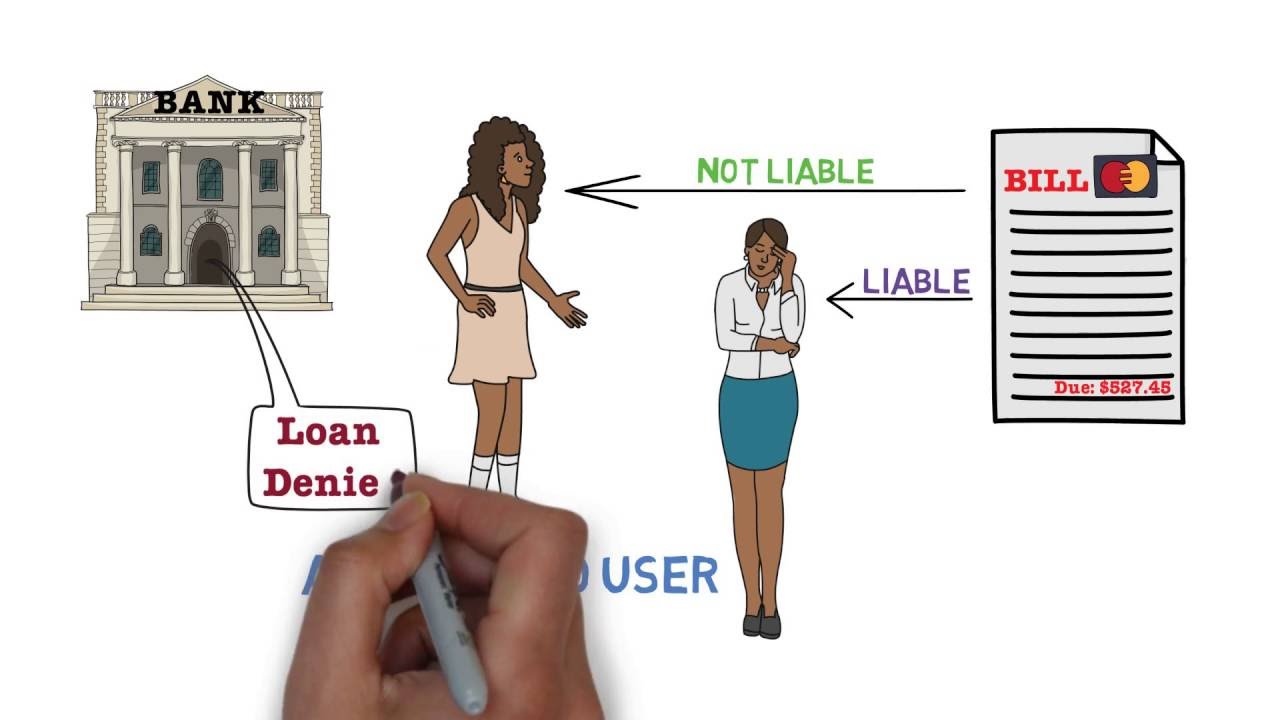
of responsibility, she can instead be added as an authorized user to her family’s account. Not only will this allow her to get her own
credit card, but in a few short months the credit bureaus will treat her parent’s credit
score as her own. Sounds pretty great right? Well, this strategy isn’t a cure-all.

Even though Jasmine isn’t liable for payments
on the account, her parents still are, plus many lenders will want to see you successfully
handling credit on your own before giving you a major loan. Hopefully you and Jasmine now understand the
basics of credit cards. Be sure to watch our next video, which covers
everything you need to know about credit scores, and be sure to check out our website, where
you can find more educational materials, your free credit score and great credit card recommendations..

As found on YouTube

Credit Cards 101 (Credit Card Basics 1/3)

Meet Jasmine. Jasmine is a college student attending State
University. Like many college students, Jasmine has a
lot things she needs to buy: books, laundry baskets, food, and so on, and she can pay
for those things with two types of money: debit or credit. Debit is money that comes from a personal
bank account. Credit is money that is lent to you by your
bank. For example, let’s say Jasmine has been
using a credit card. Each time Jasmine uses the card to buy something,
say a $100 textbook, her bank is loaning her the money. While that sounds nice, be warned, the bank
isn’t giving Jasmine this money for free. They expect her to pay a certain amount of
money each month, called interest, if she doesn’t totally pay off her balance by the
due date. As you can imagine, this can get very expensive
very quickly, especially when factoring in the high annual interest rates, or APRs, that
are charged by these companies. However, there is a solution to this rather
scary problem. As long as Jasmine always pays off her balance
in full by her monthly due date, she’ll never pay a cent of interest.

Jasmine is shocked and thrilled, but still
isn’t quite sold on credit-cards. After all, with all their flaws, are they
really worth using? The short answer: as long as you avoid running
up a balance, definitely! So why is that? Well, “free money” for starters. Most credit cards offer their users rewards,
like cash back or airline miles, each time they make a purchase. For example, let’s say Jasmine’s credit
card comes with 2% cashback. That means if Jasmine spends $500 per month,
then at the end of the month she’ll automatically get $10 back, no questions asked. Then, if that wasn’t good enough, responsibly
using a credit card also allows Jasmine to build a great credit score. This is a calculated number between 300 and
850 that summarizes your credit history, covering everything from your payment history to the
age of your accounts. While we’ll teach you more about your credit
score, including how to get and improve it, in our next video “Credit Scores and Reports
101”, just for now know that most credit cards actually require a credit score of at
least 600, plus at least $15,000 in annual income and a reasonable debt payment to income
ratio, generally below 36%.

However, thankfully for Jasmine, who lacks
both credit history and a full-time job, she shouldn’t have a problem getting a student
credit card. In fact, the online application will take
all of five minutes. She’ll just have to be a full-time student
of at least 18 years of age, with either a small amount of income, like from a part-time
job, or a creditworthy co-signer. However, at this point we have to say, be
careful. Taking on a co-signer is no small matter. The account is still in your name, so any
credit mistakes are on you and your co-signer, plus your co-signer is even liable for any
of your missed payments. If Jasmine isn’t quite ready for that level
of responsibility, she can instead be added as an authorized user to her family’s account.

Not only will this allow her to get her own
credit card, but in a few short months the credit bureaus will treat her parent’s credit
score as her own. Sounds pretty great right? Well, this strategy isn’t a cure-all. Even though Jasmine isn’t liable for payments
on the account, her parents still are, plus many lenders will want to see you successfully
handling credit on your own before giving you a major loan. Hopefully you and Jasmine now understand the
basics of credit cards. Be sure to watch our next video, which covers
everything you need to know about credit scores, and be sure to check out our website, where
you can find more educational materials, your free credit score and great credit card recommendations.

As found on YouTube