How to Get Out of Credit Card Debt: The Basics (Debt Management 2/4)

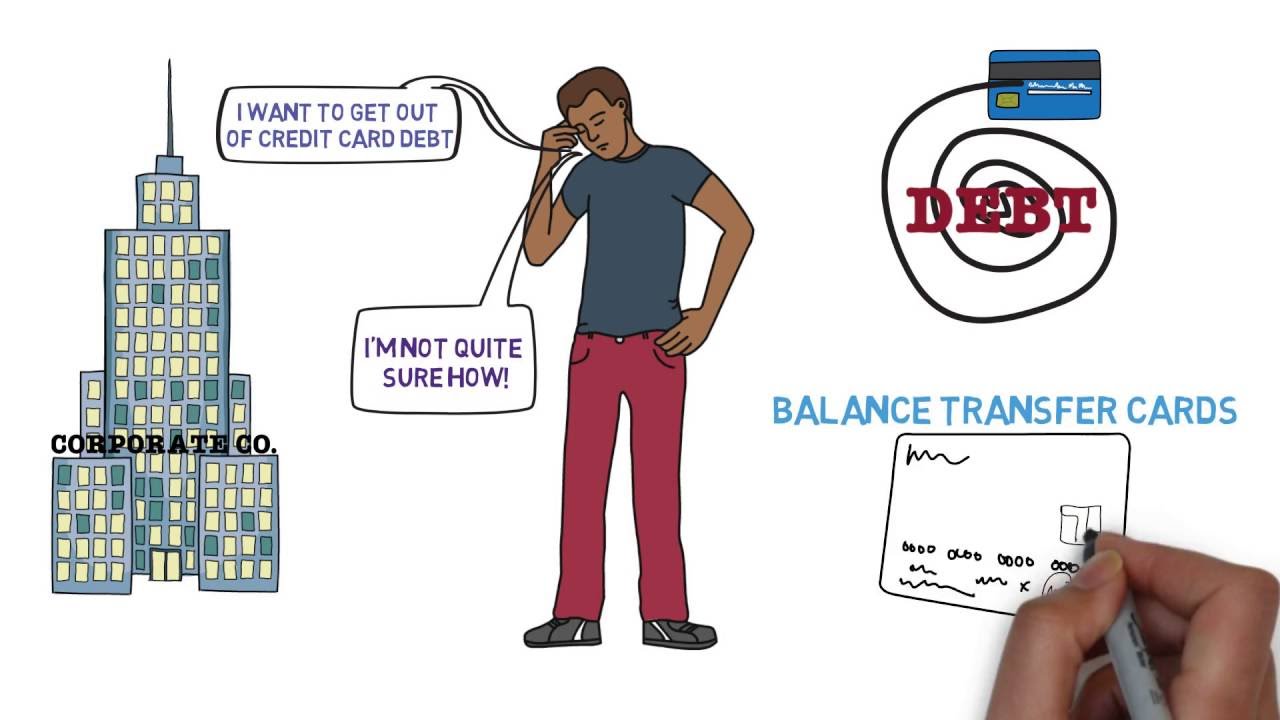
Meet Tom. Tom is a few years out college with a great
job and a lot credit card debt. Tom wants to get out of debt, but isn’t
quite sure how. Luckily for Tom, there exists a great solution
to his problem: balance transfer cards. However, before we continue, if Tom doesn’t
have a firm understanding of what a credit card or credit score is, or how to effectively
use either, we highly recommend watching our three videos “Credit Cards 101,” “Credit
Scores and Reports 101,” and “Credit Cards: Mistakes and Best Practices” before continuing
further. But let’s get back to the matter at hand. What is a balance transfer? Well, a balance transfer is simply the act
of transferring an existing credit balance to another credit card.

Most credit cards aren’t good this for:
they’ll immediately start charging interest on the transferred balance, plus a fee, generally
about 3-5% of the transferred balance. However, there is a specific subset of credit
cards, called balance transfer cards, that won’t immediately start charging interest,
instead giving Tom a 15-21 month window of 0% APR to pay off his balance interest-free. This is a great deal, but let’s still walk
through the steps you’ll need to take to get one: Step 1: Before doing anything, make a debt
repayment plan, ideally using our free recommended website, and rank your credit cards by interest
rate, as no matter what you end up doing, you’ll always want to tackle the highest
interest rate debt first.

Step 2: Once that’s done, call your credit
card company and try to get them to lower your APR. Emphasize that if they don’t agree, you’ll
move your balance to another company offering lower rates. Step 3: If the call fails and you still want
to transfer, keep in four three things. One: You’ll need good credit to get a balance
card. Two: You can’t transfer a balance to a card
offered by your current bank. Three: Depending of the size of your debt,
you may not be able to pay it off by the end of the promotional period, so have a plan
for that. And Four: The credit line on your balance
transfer card may be below your total debt load, meaning you’ll either have to:
Apply for a second balance transfer card Keep the remaining debt on your current card
and pay the high rate. Or use a personal loan, which is slightly
more expensive than a balance transfer card, but comes with a lower credit score requirement. And don’t worry, we’ll cover this option
in our next video. However let’s assume for now that Tom has
been approved for a balance transfer card with a high enough credit limit.

This is an important first step, but they’re
still a few more things to keep in mind: One: Don’t spend on the card, as the 0%
APR period may not extend to purchases. Two: Complete the transfer as fast as possible
or the 0% APR offer may expire. Three: Be careful about consolidate multiple
balances onto one card, as that will lower your credit score.

Four and Finally: Once you’ve completed
the transfer, always pay on time and don’t close out your old accounts, as failing to
follow either will lower your credit score. Hopefully you and Tom now better understand
balance transfer cards. Be sure to check out our next video, where
we’ll teach you how to get out of credit card debt without them, and be sure to website,
where you can find more educational content, your free credit score, and great credit card
recommendations..
As found on YouTube

How to Get Out of Credit Card Debt: Other Options (Debt Management 3/4)

Meet Tom. Tom is a few years out college with a great
job and a lot credit card debt. Tom just watched our first video, “How to
Get Out of Credit Card Debt – Part 1”, so he understands that balance transfer credit
cards are a good debt management solution. Unfortunately, he just can’t qualify for
one with a big enough credit line. What should he do? Well, Tom’s not out of luck. He can instead use a personal loan pay off
his remaining credit debt. Personal loans are great. They come with fairly low credit score requirements,
generally around 640, and have interest rates lower than almost every credit card. Not only that, most modern personal lenders
will allow you to check your rates for free, without hurting your credit score.

In the end, these loans actually only have
one caveat, you just have to be sure their one-time setup costs are less than the interest
you’ll save by transferring. If this sounds confusing to you, don’t worry. We do the math for you on our website, plus
we teach you everything else you need to know in our video “Personal Loans 101” Finally, even if personal loans doesn’t
work, there are still a few more last resort options beyond asking your friends and family
for money: Option One: You could use the money from your
retirement accounts, like a 401(k) or an IRA. However, this option is problematic, as any
withdrawal before age 59 and a half with be subject to a 10% penalty, plus taxes, not
to mention raiding your retirement account is generally a bad long-term move.

Option Two: You could use a 401(k) loan, in
which you can borrow up to 50% of your current 401(k) contributions as a loan, up to a maximum
of $50,000. This definitely has advantages: there’s
no credit check, plus the interest rate will almost certainly be better than your credit
card. However, there are serious flaws to this loan
as well: not only are you prohibited from contributing to your 401(k) while the loan
is active, but if you leave your job, willingly or not, you’ll have only 60 days to repay
the loan, otherwise it’s considered an early withdrawal. Finally, we have Option Three: You could use
a HELOC, which is a revolving line of credit like a credit card, just much larger and secured
by a house. Again, this has advantages, mainly a lower
interest rate, but this is balanced by a major flaw: unlike a credit card, failure to repay
a HELOC can result in losing your home.

Finally, if none of our proposed solutions
have solved your problem, we highly recommend contacting the National Foundation for Credit
Counseling, or NFCC. They’re a nonprofit whose goal is to help
you avoid bankruptcy. To this end, they’ll create a personalized
payment plan for you and work with your lenders to both reduce your debt load and interest
rate. Hopefully you and Tom now have a better idea
of how to get out of credit card debt. If you want to see our balance transfer card
recommendations, your free credit score, or just more educational material, be sure to
check out our website!.

As found on YouTube

How to Get Out of Credit Card Debt: The Basics (Debt Management 2/4)

Meet Tom. Tom is a few years out college with a great
job and a lot credit card debt. Tom wants to get out of debt, but isn’t
quite sure how. Luckily for Tom, there exists a great solution
to his problem: balance transfer cards. However, before we continue, if Tom doesn’t
have a firm understanding of what a credit card or credit score is, or how to effectively
use either, we highly recommend watching our three videos “Credit Cards 101,” “Credit
Scores and Reports 101,” and “Credit Cards: Mistakes and Best Practices” before continuing
further. But let’s get back to the matter at hand. What is a balance transfer? Well, a balance transfer is simply the act
of transferring an existing credit balance to another credit card.

Most credit cards aren’t good this for:
they’ll immediately start charging interest on the transferred balance, plus a fee, generally
about 3-5% of the transferred balance. However, there is a specific subset of credit
cards, called balance transfer cards, that won’t immediately start charging interest,
instead giving Tom a 15-21 month window of 0% APR to pay off his balance interest-free. This is a great deal, but let’s still walk
through the steps you’ll need to take to get one: Step 1: Before doing anything, make a debt
repayment plan, ideally using our free recommended website, and rank your credit cards by interest
rate, as no matter what you end up doing, you’ll always want to tackle the highest
interest rate debt first.

Step 2: Once that’s done, call your credit
card company and try to get them to lower your APR. Emphasize that if they don’t agree, you’ll
move your balance to another company offering lower rates. Step 3: If the call fails and you still want
to transfer, keep in four three things. One: You’ll need good credit to get a balance
card. Two: You can’t transfer a balance to a card
offered by your current bank. Three: Depending of the size of your debt,
you may not be able to pay it off by the end of the promotional period, so have a plan
for that.

And Four: The credit line on your balance
transfer card may be below your total debt load, meaning you’ll either have to:
Apply for a second balance transfer card Keep the remaining debt on your current card
and pay the high rate. Or use a personal loan, which is slightly
more expensive than a balance transfer card, but comes with a lower credit score requirement. And don’t worry, we’ll cover this option
in our next video. However let’s assume for now that Tom has
been approved for a balance transfer card with a high enough credit limit. This is an important first step, but they’re
still a few more things to keep in mind: One: Don’t spend on the card, as the 0%
APR period may not extend to purchases. Two: Complete the transfer as fast as possible
or the 0% APR offer may expire.

Three: Be careful about consolidate multiple
balances onto one card, as that will lower your credit score. Four and Finally: Once you’ve completed
the transfer, always pay on time and don’t close out your old accounts, as failing to
follow either will lower your credit score. Hopefully you and Tom now better understand
balance transfer cards. Be sure to check out our next video, where
we’ll teach you how to get out of credit card debt without them, and be sure to website,
where you can find more educational content, your free credit score, and great credit card
recommendations..

As found on YouTube

Personal Loans 101 (Debt Management 4/4)

Meet Tom. Tom is a few years out college with a great
job and a lot of credit card debt. He wants to get out of debt, but isn’t quite
sure how, especially because he didn’t qualify for a good enough balance transfer card, detailed
in our two-part video series “How to Get Out of Credit Card Debt”. While Tom may think all hope is lost, there
is another way: personal loans.

However, before we continue, if Tom doesn’t
have a firm understanding of what a loan is, or how to effectively use one, we highly recommended
watching our two videos “Loans 101” and “Loans: Mistakes and Best Practices” before
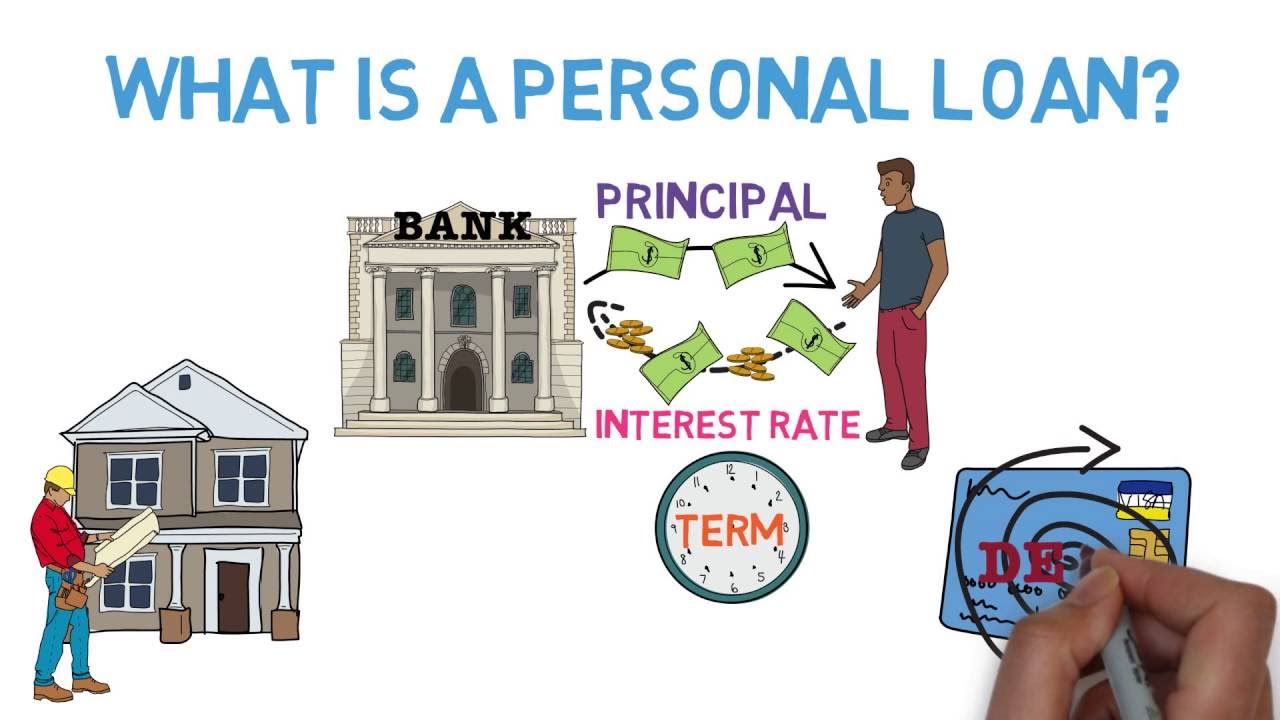
continuing further. But let’s get back to the matter at hand. What is a personal loan? Well, like most loans, personal loans offer
Tom a fixed amount of money at a certain interest rate for a set period of time. However, unlike most loans, personal loans
can be used for a wide variety of expenses, ranging from home improvement projects to
paying off credit card debt.

Speaking of credit cards, personal loans,
especially those from online lenders, will have interest rates lower than almost every
credit card. In addition, if Tom borrows from an online
lender that considers not just his credit score, of which he’ll need at least a 640,
but also his education status and earnings potential, those interest rates can be even
lower. Plus, even better, applying for a personal
loan from an online lender couldn’t be easier. All Tom needs to do is fill out a short credit
application. Then, the lender will likely use a “soft
pull” for his credit history, which won’t hurt his credit score, and within a few minutes,
Tony will be able to see the amount see can borrow and the APR he qualifies for, a process
he can then repeat at multiple online lenders. Should Tom instead choose to get personal
loan from an offline lender, like a big bank or credit union, which just have one warning.

These institutions tend to have higher interest
rates due to their much greater overhead, plus they tend to avoid “soft-pulls”,
which makes it harder to check your rates without hurting your credit score. So let’s assume Tom has chosen to get a
personal loan through an online lender. What’s his next step? Well, assuming he’s chosen his lender and
has checked his rates, he can then fill out the actual loan application online.

This should be very simple process, but there
is one thing to watch out for. Online lenders often charge a nonrefundable
origination fee for creating the loan, generally ranging between 1-5% of the loan’s value. This generally means two things:
One: If Tom wants to borrow exactly $10,000, and has to pay a 1% origination fee he’ll
need to borrow $10,100 dollars instead. Two: If Tom wants to use the loan proceeds
to pay off credit card debt, he needs to make sure the origination fee is less than the
interest he’ll save by using a personal loan. And don’t worry, our online calculator makes
this process a breeze. Finally, assuming the math checks out, Tom
just needs submits his application.

At this point, there will be a hard credit
check, but assuming Tom is approved, his bank account will generally be funded within a
few days. Tom is now on his way to being debt free. Congratulations! You’ve finished our personal loan basics
curriculum! If you want to see our free recommendations
for personal loan lenders, or just check out more educational material, be sure to check
out our website!.

As found on YouTube

Credit Cards 101 (Credit Card Basics 1/3)

Meet Jasmine. Jasmine is a college student attending State
University. Like many college students, Jasmine has a
lot things she needs to buy: books, laundry baskets, food, and so on, and she can pay
for those things with two types of money: debit or credit. Debit is money that comes from a personal
bank account. Credit is money that is lent to you by your
bank. For example, let’s say Jasmine has been
using a credit card. Each time Jasmine uses the card to buy something,
say a $100 textbook, her bank is loaning her the money. While that sounds nice, be warned, the bank
isn’t giving Jasmine this money for free. They expect her to pay a certain amount of
money each month, called interest, if she doesn’t totally pay off her balance by the
due date.

As you can imagine, this can get very expensive
very quickly, especially when factoring in the high annual interest rates, or APRs, that
are charged by these companies. However, there is a solution to this rather
scary problem. As long as Jasmine always pays off her balance
in full by her monthly due date, she’ll never pay a cent of interest. Jasmine is shocked and thrilled, but still
isn’t quite sold on credit-cards. After all, with all their flaws, are they
really worth using? The short answer: as long as you avoid running
up a balance, definitely! So why is that? Well, “free money” for starters. Most credit cards offer their users rewards,
like cash back or airline miles, each time they make a purchase. For example, let’s say Jasmine’s credit
card comes with 2% cashback. That means if Jasmine spends $500 per month,
then at the end of the month she’ll automatically get $10 back, no questions asked. Then, if that wasn’t good enough, responsibly
using a credit card also allows Jasmine to build a great credit score.

This is a calculated number between 300 and
850 that summarizes your credit history, covering everything from your payment history to the
age of your accounts. While we’ll teach you more about your credit
score, including how to get and improve it, in our next video “Credit Scores and Reports
101”, just for now know that most credit cards actually require a credit score of at
least 600, plus at least $15,000 in annual income and a reasonable debt payment to income
ratio, generally below 36%. However, thankfully for Jasmine, who lacks
both credit history and a full-time job, she shouldn’t have a problem getting a student
credit card. In fact, the online application will take
all of five minutes. She’ll just have to be a full-time student
of at least 18 years of age, with either a small amount of income, like from a part-time
job, or a creditworthy co-signer. However, at this point we have to say, be
careful. Taking on a co-signer is no small matter. The account is still in your name, so any
credit mistakes are on you and your co-signer, plus your co-signer is even liable for any
of your missed payments.

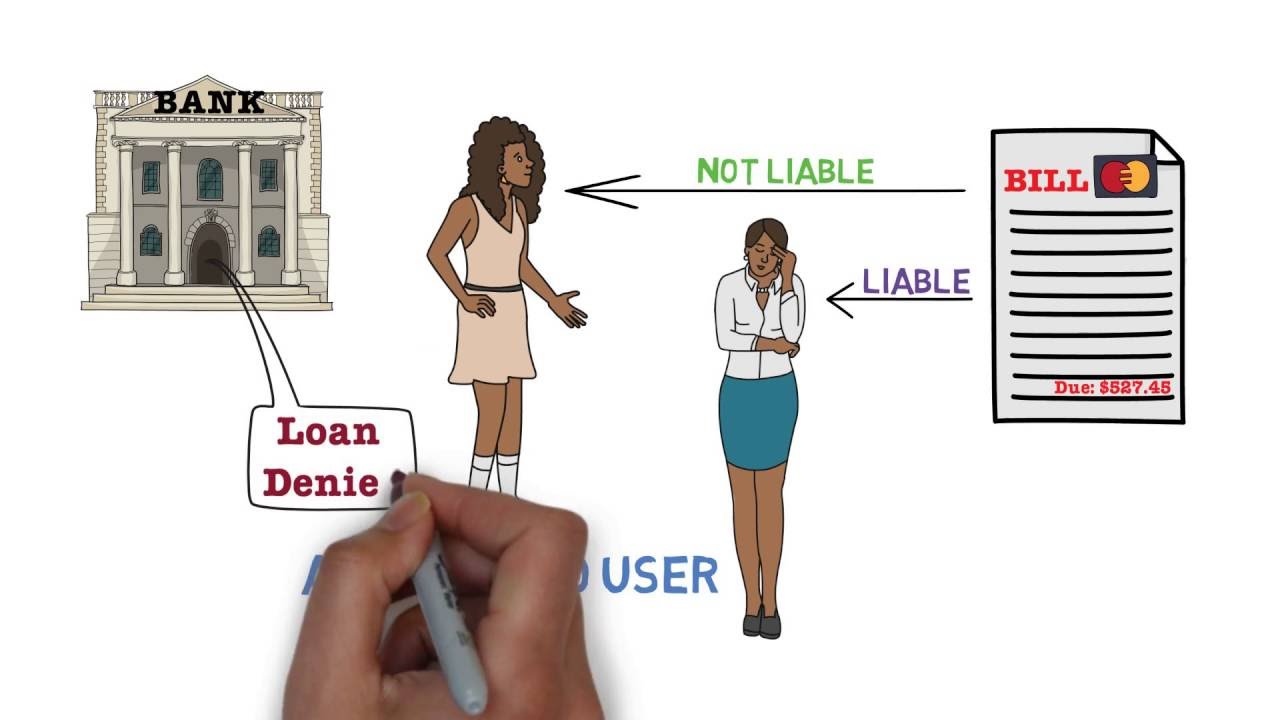
If Jasmine isn’t quite ready for that level
of responsibility, she can instead be added as an authorized user to her family’s account. Not only will this allow her to get her own
credit card, but in a few short months the credit bureaus will treat her parent’s credit
score as her own. Sounds pretty great right? Well, this strategy isn’t a cure-all.

Even though Jasmine isn’t liable for payments
on the account, her parents still are, plus many lenders will want to see you successfully
handling credit on your own before giving you a major loan. Hopefully you and Jasmine now understand the
basics of credit cards. Be sure to watch our next video, which covers
everything you need to know about credit scores, and be sure to check out our website, where
you can find more educational materials, your free credit score and great credit card recommendations..

As found on YouTube

Credit Cards 101 (Credit Card Basics 1/3)

Meet Jasmine. Jasmine is a college student attending State
University. Like many college students, Jasmine has a
lot things she needs to buy: books, laundry baskets, food, and so on, and she can pay
for those things with two types of money: debit or credit. Debit is money that comes from a personal
bank account. Credit is money that is lent to you by your
bank. For example, let’s say Jasmine has been
using a credit card. Each time Jasmine uses the card to buy something,
say a $100 textbook, her bank is loaning her the money. While that sounds nice, be warned, the bank
isn’t giving Jasmine this money for free. They expect her to pay a certain amount of
money each month, called interest, if she doesn’t totally pay off her balance by the
due date. As you can imagine, this can get very expensive
very quickly, especially when factoring in the high annual interest rates, or APRs, that
are charged by these companies. However, there is a solution to this rather
scary problem. As long as Jasmine always pays off her balance
in full by her monthly due date, she’ll never pay a cent of interest.

Jasmine is shocked and thrilled, but still
isn’t quite sold on credit-cards. After all, with all their flaws, are they
really worth using? The short answer: as long as you avoid running
up a balance, definitely! So why is that? Well, “free money” for starters. Most credit cards offer their users rewards,
like cash back or airline miles, each time they make a purchase. For example, let’s say Jasmine’s credit
card comes with 2% cashback. That means if Jasmine spends $500 per month,
then at the end of the month she’ll automatically get $10 back, no questions asked. Then, if that wasn’t good enough, responsibly
using a credit card also allows Jasmine to build a great credit score. This is a calculated number between 300 and
850 that summarizes your credit history, covering everything from your payment history to the
age of your accounts. While we’ll teach you more about your credit
score, including how to get and improve it, in our next video “Credit Scores and Reports
101”, just for now know that most credit cards actually require a credit score of at
least 600, plus at least $15,000 in annual income and a reasonable debt payment to income
ratio, generally below 36%.

However, thankfully for Jasmine, who lacks
both credit history and a full-time job, she shouldn’t have a problem getting a student
credit card. In fact, the online application will take
all of five minutes. She’ll just have to be a full-time student
of at least 18 years of age, with either a small amount of income, like from a part-time
job, or a creditworthy co-signer. However, at this point we have to say, be
careful. Taking on a co-signer is no small matter. The account is still in your name, so any
credit mistakes are on you and your co-signer, plus your co-signer is even liable for any
of your missed payments. If Jasmine isn’t quite ready for that level
of responsibility, she can instead be added as an authorized user to her family’s account.

Not only will this allow her to get her own
credit card, but in a few short months the credit bureaus will treat her parent’s credit
score as her own. Sounds pretty great right? Well, this strategy isn’t a cure-all. Even though Jasmine isn’t liable for payments
on the account, her parents still are, plus many lenders will want to see you successfully
handling credit on your own before giving you a major loan. Hopefully you and Jasmine now understand the
basics of credit cards. Be sure to watch our next video, which covers
everything you need to know about credit scores, and be sure to check out our website, where
you can find more educational materials, your free credit score and great credit card recommendations.

As found on YouTube

How to Get Out of Credit Card Debt: Other Options (Debt Management 3/4)

Meet Tom. Tom is a few years out college with a great
job and a lot credit card debt. Tom just watched our first video, “How to
Get Out of Credit Card Debt – Part 1”, so he understands that balance transfer credit
cards are a good debt management solution. Unfortunately, he just can’t qualify for
one with a big enough credit line. What should he do? Well, Tom’s not out of luck. He can instead use a personal loan pay off
his remaining credit debt. Personal loans are great. They come with fairly low credit score requirements,
generally around 640, and have interest rates lower than almost every credit card.

Not only that, most modern personal lenders
will allow you to check your rates for free, without hurting your credit score. In the end, these loans actually only have
one caveat, you just have to be sure their one-time setup costs are less than the interest
you’ll save by transferring. If this sounds confusing to you, don’t worry. We do the math for you on our website, plus
we teach you everything else you need to know in our video “Personal Loans 101” Finally, even if personal loans doesn’t
work, there are still a few more last resort options beyond asking your friends and family
for money: Option One: You could use the money from your
retirement accounts, like a 401(k) or an IRA. However, this option is problematic, as any
withdrawal before age 59 and a half with be subject to a 10% penalty, plus taxes, not
to mention raiding your retirement account is generally a bad long-term move.

Option Two: You could use a 401(k) loan, in
which you can borrow up to 50% of your current 401(k) contributions as a loan, up to a maximum
of $50,000. This definitely has advantages: there’s
no credit check, plus the interest rate will almost certainly be better than your credit
card. However, there are serious flaws to this loan
as well: not only are you prohibited from contributing to your 401(k) while the loan
is active, but if you leave your job, willingly or not, you’ll have only 60 days to repay
the loan, otherwise it’s considered an early withdrawal. Finally, we have Option Three: You could use
a HELOC, which is a revolving line of credit like a credit card, just much larger and secured
by a house. Again, this has advantages, mainly a lower
interest rate, but this is balanced by a major flaw: unlike a credit card, failure to repay
a HELOC can result in losing your home. Finally, if none of our proposed solutions
have solved your problem, we highly recommend contacting the National Foundation for Credit
Counseling, or NFCC.

They’re a nonprofit whose goal is to help
you avoid bankruptcy. To this end, they’ll create a personalized
payment plan for you and work with your lenders to both reduce your debt load and interest
rate. Hopefully you and Tom now have a better idea
of how to get out of credit card debt. If you want to see our balance transfer card
recommendations, your free credit score, or just more educational material, be sure to
check out our website!.

As found on YouTube