Personal Loans 101 (Debt Management 4/4)

Meet Tom. Tom is a few years out college with a great
job and a lot of credit card debt. He wants to get out of debt, but isn’t quite
sure how, especially because he didn’t qualify for a good enough balance transfer card, detailed
in our two-part video series “How to Get Out of Credit Card Debt”. While Tom may think all hope is lost, there
is another way: personal loans.

However, before we continue, if Tom doesn’t
have a firm understanding of what a loan is, or how to effectively use one, we highly recommended
watching our two videos “Loans 101” and “Loans: Mistakes and Best Practices” before
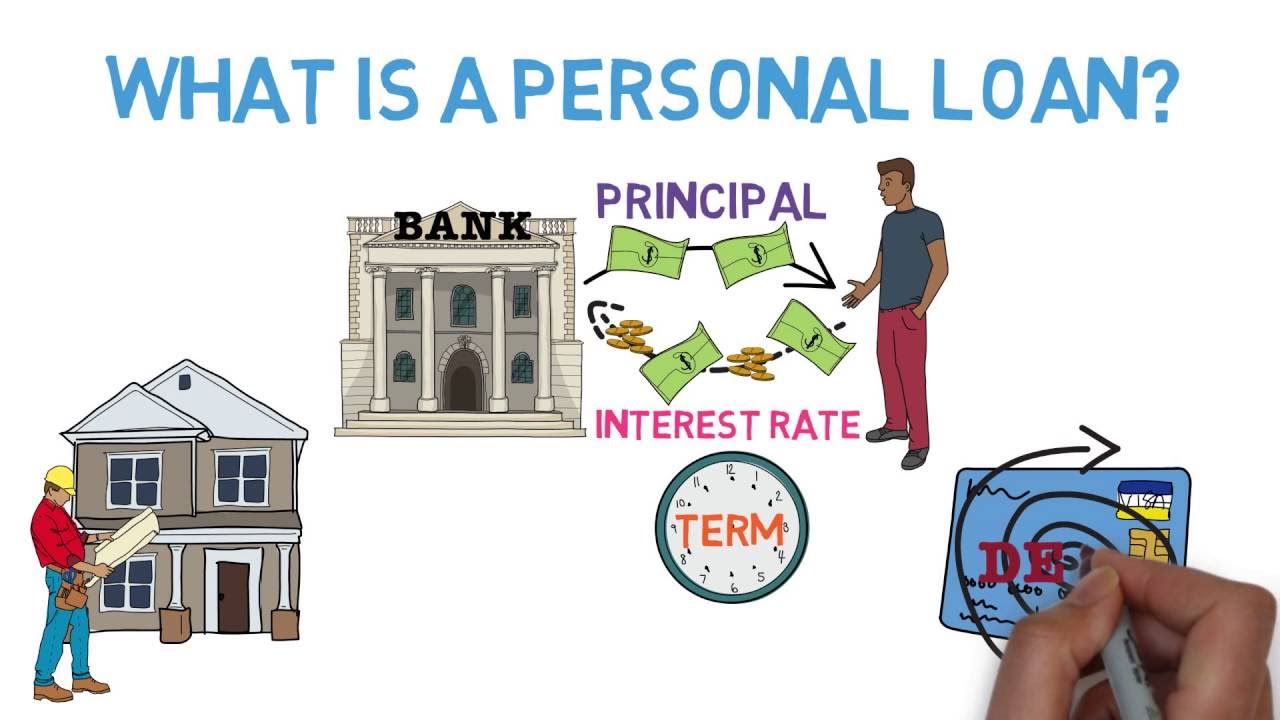
continuing further. But let’s get back to the matter at hand. What is a personal loan? Well, like most loans, personal loans offer
Tom a fixed amount of money at a certain interest rate for a set period of time. However, unlike most loans, personal loans
can be used for a wide variety of expenses, ranging from home improvement projects to
paying off credit card debt.

Speaking of credit cards, personal loans,
especially those from online lenders, will have interest rates lower than almost every
credit card. In addition, if Tom borrows from an online
lender that considers not just his credit score, of which he’ll need at least a 640,
but also his education status and earnings potential, those interest rates can be even
lower. Plus, even better, applying for a personal
loan from an online lender couldn’t be easier. All Tom needs to do is fill out a short credit
application. Then, the lender will likely use a “soft
pull” for his credit history, which won’t hurt his credit score, and within a few minutes,
Tony will be able to see the amount see can borrow and the APR he qualifies for, a process
he can then repeat at multiple online lenders. Should Tom instead choose to get personal
loan from an offline lender, like a big bank or credit union, which just have one warning.

These institutions tend to have higher interest
rates due to their much greater overhead, plus they tend to avoid “soft-pulls”,
which makes it harder to check your rates without hurting your credit score. So let’s assume Tom has chosen to get a
personal loan through an online lender. What’s his next step? Well, assuming he’s chosen his lender and
has checked his rates, he can then fill out the actual loan application online.

This should be very simple process, but there
is one thing to watch out for. Online lenders often charge a nonrefundable
origination fee for creating the loan, generally ranging between 1-5% of the loan’s value. This generally means two things:
One: If Tom wants to borrow exactly $10,000, and has to pay a 1% origination fee he’ll
need to borrow $10,100 dollars instead. Two: If Tom wants to use the loan proceeds
to pay off credit card debt, he needs to make sure the origination fee is less than the
interest he’ll save by using a personal loan. And don’t worry, our online calculator makes
this process a breeze. Finally, assuming the math checks out, Tom
just needs submits his application.

At this point, there will be a hard credit
check, but assuming Tom is approved, his bank account will generally be funded within a
few days. Tom is now on his way to being debt free. Congratulations! You’ve finished our personal loan basics
curriculum! If you want to see our free recommendations
for personal loan lenders, or just check out more educational material, be sure to check
out our website!.

As found on YouTube

Personal Loans 101 (Debt Management 4/4)

Meet Tom. Tom is a few years out college with a great
job and a lot of credit card debt. He wants to get out of debt, but isn’t quite
sure how, especially because he didn’t qualify for a good enough balance transfer card, detailed
in our two-part video series “How to Get Out of Credit Card Debt”. While Tom may think all hope is lost, there
is another way: personal loans. However, before we continue, if Tom doesn’t
have a firm understanding of what a loan is, or how to effectively use one, we highly recommended
watching our two videos “Loans 101” and “Loans: Mistakes and Best Practices” before
continuing further.

But let’s get back to the matter at hand. What is a personal loan? Well, like most loans, personal loans offer
Tom a fixed amount of money at a certain interest rate for a set period of time. However, unlike most loans, personal loans
can be used for a wide variety of expenses, ranging from home improvement projects to
paying off credit card debt. Speaking of credit cards, personal loans,
especially those from online lenders, will have interest rates lower than almost every
credit card. In addition, if Tom borrows from an online
lender that considers not just his credit score, of which he’ll need at least a 640,
but also his education status and earnings potential, those interest rates can be even
lower. Plus, even better, applying for a personal
loan from an online lender couldn’t be easier. All Tom needs to do is fill out a short credit
application.

Then, the lender will likely use a “soft
pull” for his credit history, which won’t hurt his credit score, and within a few minutes,
Tony will be able to see the amount see can borrow and the APR he qualifies for, a process
he can then repeat at multiple online lenders. Should Tom instead choose to get personal
loan from an offline lender, like a big bank or credit union, which just have one warning. These institutions tend to have higher interest
rates due to their much greater overhead, plus they tend to avoid “soft-pulls”,
which makes it harder to check your rates without hurting your credit score. So let’s assume Tom has chosen to get a
personal loan through an online lender. What’s his next step? Well, assuming he’s chosen his lender and
has checked his rates, he can then fill out the actual loan application online.

This should be very simple process, but there
is one thing to watch out for. Online lenders often charge a nonrefundable
origination fee for creating the loan, generally ranging between 1-5% of the loan’s value. This generally means two things:
One: If Tom wants to borrow exactly $10,000, and has to pay a 1% origination fee he’ll
need to borrow $10,100 dollars instead. Two: If Tom wants to use the loan proceeds
to pay off credit card debt, he needs to make sure the origination fee is less than the
interest he’ll save by using a personal loan. And don’t worry, our online calculator makes
this process a breeze. Finally, assuming the math checks out, Tom
just needs submits his application.

At this point, there will be a hard credit
check, but assuming Tom is approved, his bank account will generally be funded within a
few days. Tom is now on his way to being debt free. Congratulations! You’ve finished our personal loan basics
curriculum! If you want to see our free recommendations
for personal loan lenders, or just check out more educational material, be sure to check
out our website!.